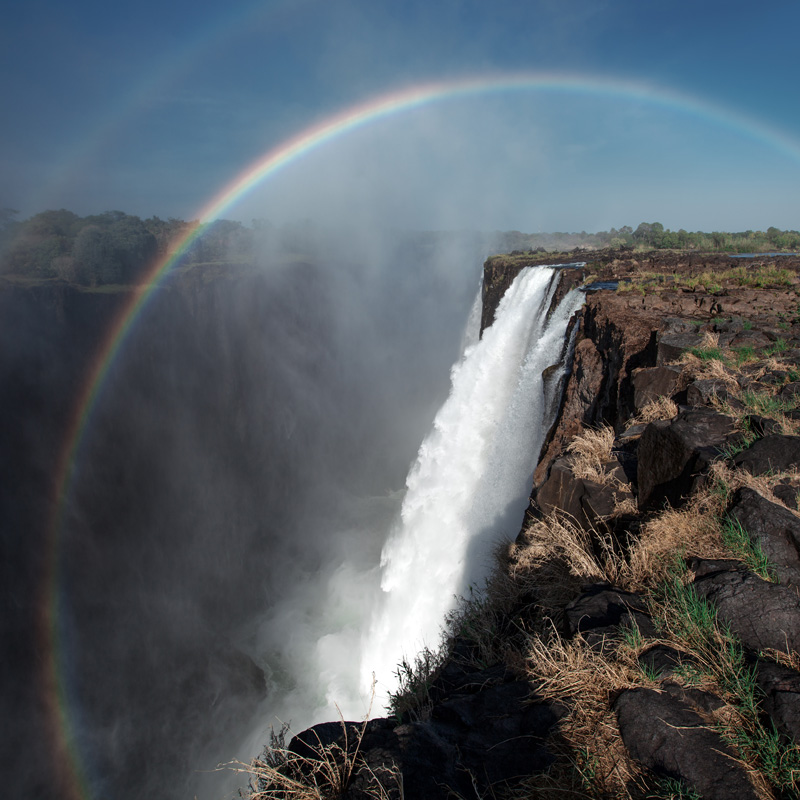


‘Mosi-oa-Tunya’ Remembered — 170 Years Since Livingstone Reached the Island
Green Safaris | November 15, 2025
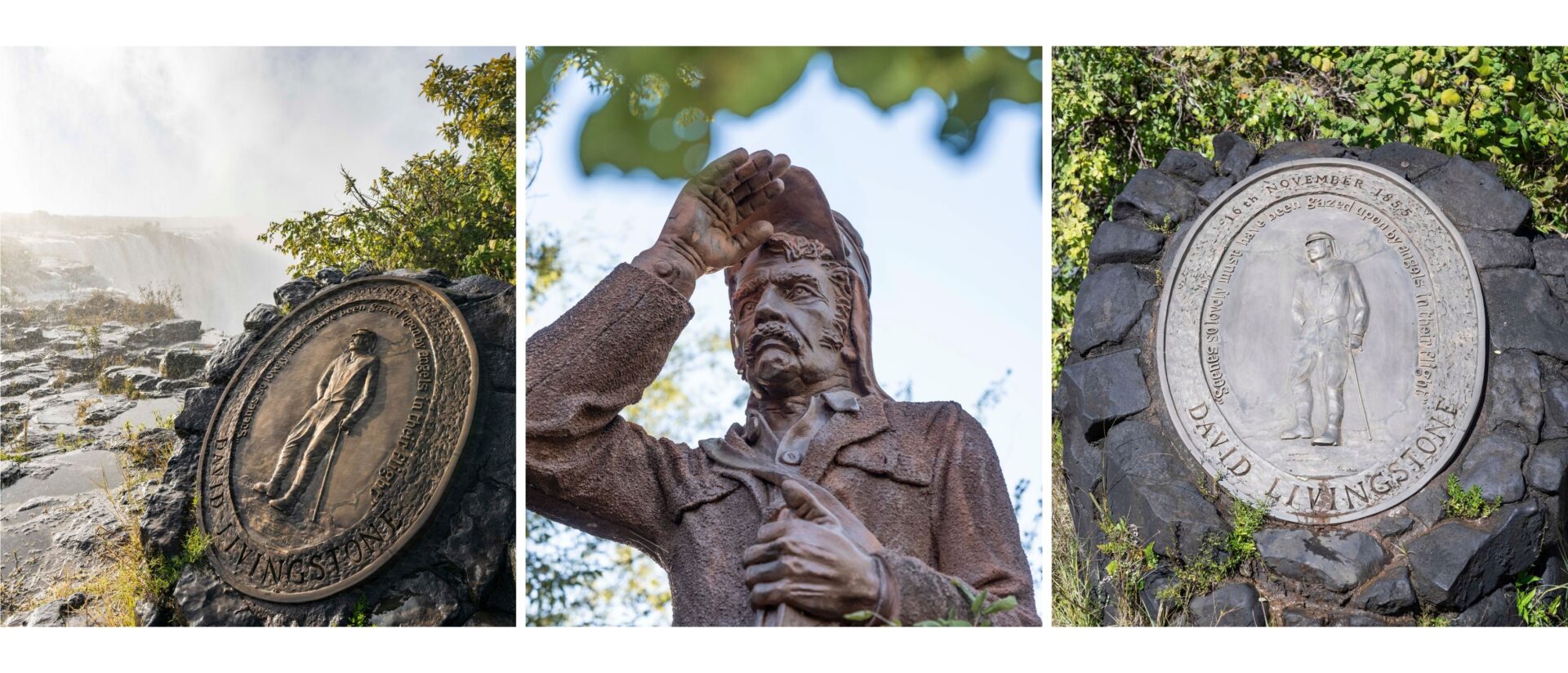
On 16 November 1855, Scottish missionary and explorer Dr David Livingstone, guided by the skill and knowledge of the Makololo people, stepped onto the small island that now bears his name. From this mist-drenched ledge above the Zambezi, he became the first known Westerner to document the waterfall the Kololo people called Mosi-oa-Tunya “The Smoke That Thunders.”
It was here that he wrote the now-immortal line:
“Scenes so lovely must have been gazed upon by angels in their flight.”
Today, exactly 170 years later, Green Safaris is honoured to celebrate this defining moment in the story of Victoria Falls, enriched through the research and historical insights generously shared by Vic Falls writer and photographer Glen Simes.
A Journey Guided by the Makololo
The Zambezi expedition that brought Livingstone to the Falls is well recorded in his journals from 1853–1856. Early in November 1855, he departed Linyati (in present-day Botswana) with an entourage of around 200 Makololo people. Their route followed the Zambezi northwards, alternating between paddling canoes and walking along the riverbanks when rising water and early rains made navigation dangerous.
On 15 November, the party reached Kalai Island (later named Queen Elizabeth Island), where they camped. At sunrise on 16 November, Livingstone boarded a smaller canoe with selected Makololo guides and paddled towards the towering spray. Their 20-minute approach was guided entirely by local knowledge, through narrow channels, swirling currents, and the rising roar of the Falls.
They landed on the small, forested island between Main Falls and Rainbow Falls. Here, Livingstone witnessed one of Africa’s grandest natural wonders for the first time, recording it with reverence, humility, and awe.
Livingstone’s “Garden Island”
Livingstone returned to the island on 17 November 1855, carrying seeds he hoped would take root in the rich soil — coffee, apricot, and peach among them. A Makololo companion even built a hedge to keep hippos from trampling the tiny garden. Livingstone carved his initials and the date into a nearby tree, marking his presence.
Although neither the garden nor the carving survives today, the moment is described clearly in Livingstone’s journals. For a brief period, the island was referred to as Garden Island before eventually being renamed Livingstone Island.
The Legacy of Mosi-oa-Tunya
While Livingstone named the waterfall after Queen Victoria, he also faithfully recorded its original name: Mosi-oa-Tunya, meaning “The Smoke That Thunders.” This is the name that best reflects its true character — the towering mist columns, the thunderous sound that can be heard kilometres away, and the rainforest ecosystem nourished entirely by spray.
Modern surveys later documented the technical details Livingstone could only describe poetically:
- 1.7 km wide
- 108 metres deep into the Batoka Gorge
- Spray rising as high as 400 metres
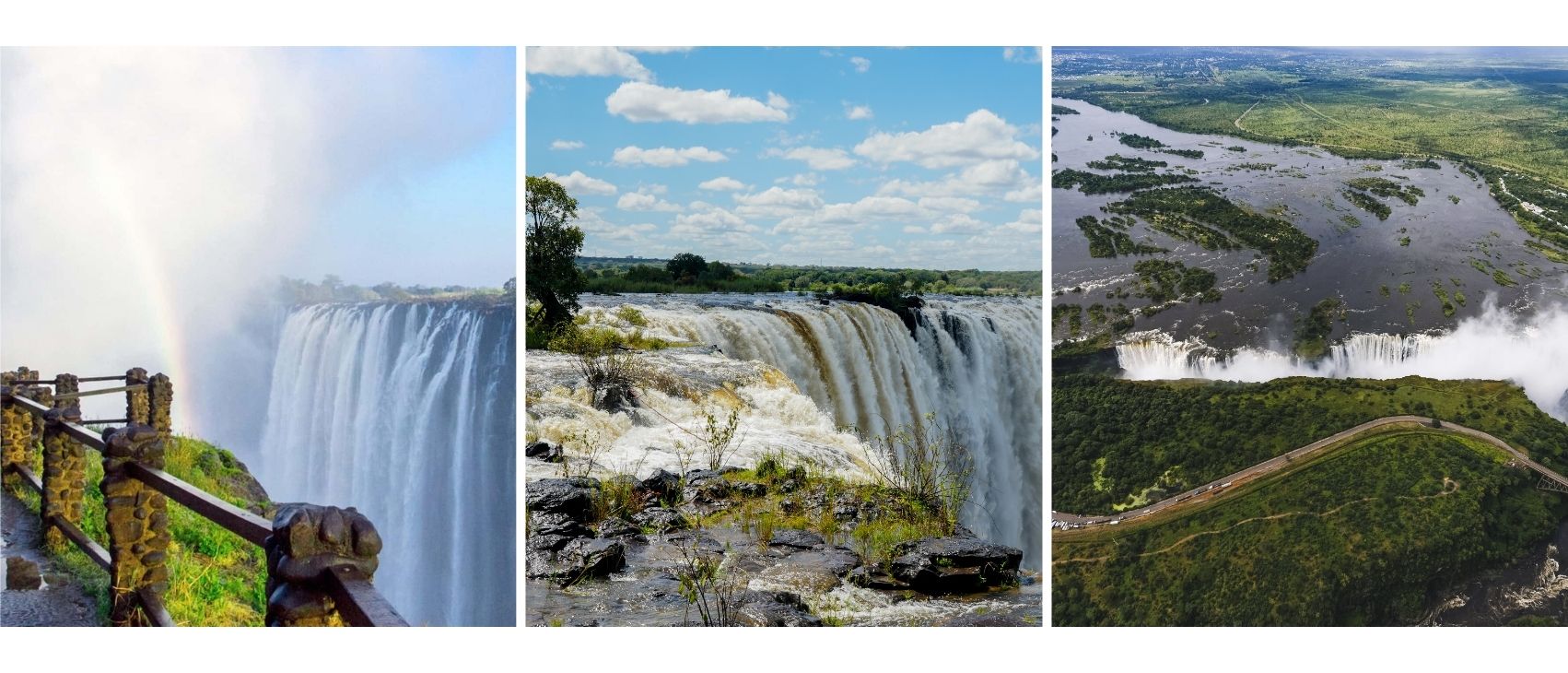
Yet even those numbers cannot capture the visceral experience of standing at the island’s edge something Livingstone wrote about repeatedly, struck by the beauty, danger, and magnitude of the Falls.
Livingstone Island Today: Exclusive Access with Green Safaris
One hundred and seventy years after Livingstone set foot here, Livingstone Island remains one of the continent’s most dramatic natural viewpoints, and one of its most carefully protected.
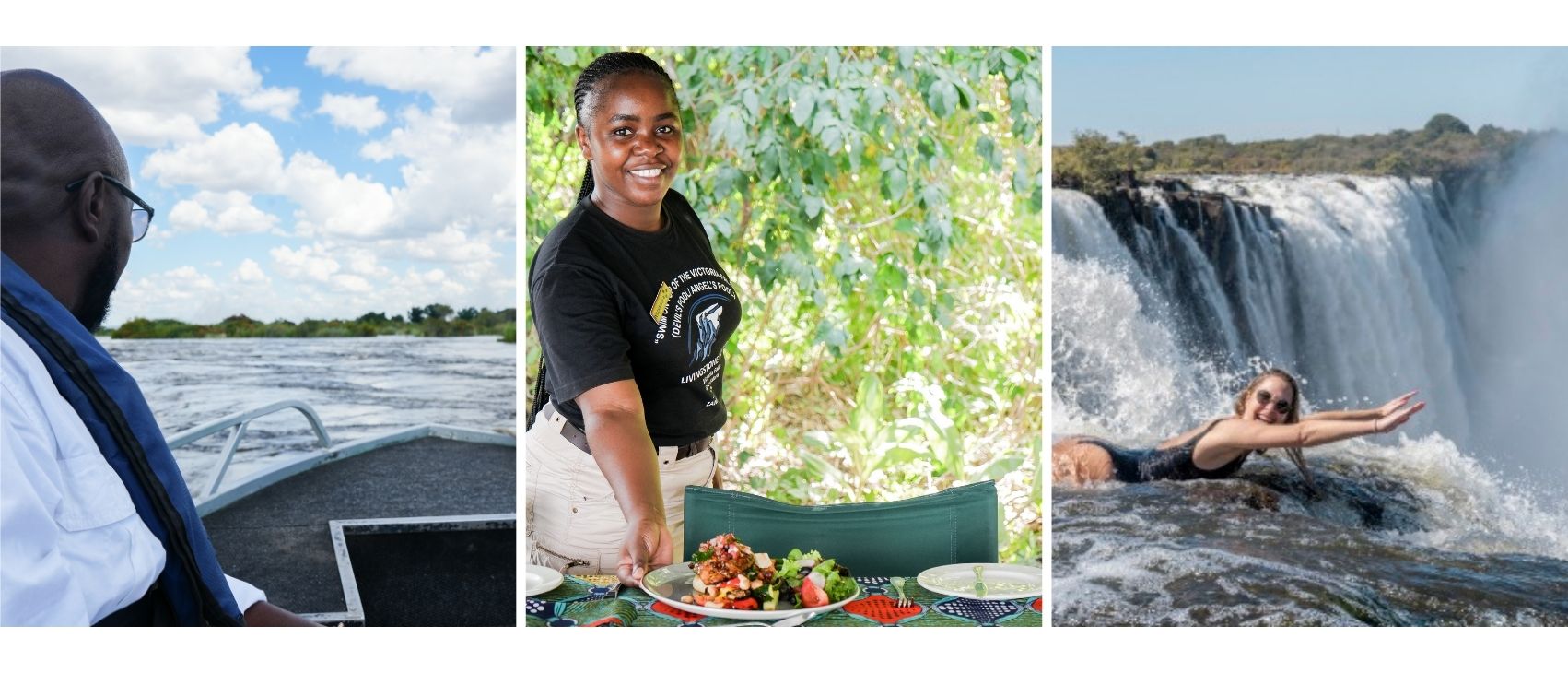
Green Safaris is proud to be the exclusive operator of the Livingstone Island & Devil’s Pool experience. During the dry season (typically mid-July to early January, depending on water levels), guests can visit the island through guided, low-impact excursions designed with conservation, community empowerment, and safety at the core.
The modern experience includes:

- A guided boat journey across the Zambezi
- Walking tours of the island’s historical sites and natural viewpoints
- A seasonal swim in Devil’s Pool, when water levels allow
- Gourmet meals served on the island
- Expert interpretation of history, ecology, and cultural heritage
Each visit directly contributes to local employment, river conservation, and the sustainable operation of this globally significant site.
A Tribute Made Possible Through Collaboration
We extend heartfelt thanks to Glen Simes, whose archival research, historical notes, and personal imagery have brought depth and authenticity to this anniversary tribute. His work continues to illuminate the human stories, cultural context, and natural heritage of the Falls.
Standing at the Edge of History
From the Makololo guides who paddled Livingstone across the river, to the thousands of travellers who now visit the island each year, Livingstone Island remains a place of wonder, a moment suspended between river, sky, and thunder.
One hundred and seventy years later, it still feels like a place that angels might admire in their flight.
And as Green Safaris, our purpose is to protect this wonder, honour its history, uplift its communities, and welcome travellers into the story with the same sense of awe that Livingstone felt back in 1855.
References
- David Livingstone’s original journals and correspondence (1855–1856)
- Archival research and imagery courtesy of Glen Simes — https://victoriaandlivingstone.co.uk
- Hydrological data and geological surveys published through UNESCO
- Historical naming conventions (“Mosi-oa-Tunya”) referenced from 19th-century explorer accounts and local oral history