Ten Years Wild: The Green Safaris Story, Told by the Places That Made Us
Green Safaris | August 9, 2026
The Last Track Leads Home
You hear it before you see it. A low roar rolling up through the mist, older than memory, so constant that the Lozi once named it Mosi-oa-Tunya, the smoke that thunders. Stand close enough to the Zambezi at Victoria Falls, and that sound becomes the heartbeat of everything Green Safaris has built over the past ten years: lodges raised from tents, camps reborn from ash, a fleet of quiet boats and vehicles that move through the bush like a held breath. Ten years ago we set out with a simple, stubborn idea that luxury and conservation were meant to travel together, not apart. Today, as we mark a decade in the wild places of Zambia and Malawi, we’re retracing the trail that brought us here, camp by camp, river by river, all the way to the story’s newest chapter: Africa’s first electric dhow, now sailing in silence on the very waters where it all began.
The Green Safaris Story
Ask us what Green Safaris is, in one breath, and here’s our answer: a family of eco-luxury camps and lodges across Zambia and Malawi, built over ten years around a single conviction that ethical equals unforgettable. From Ila on the Kafue to Kaya Mawa on Lake Malawi, every property is designed to protect the ecosystem it sits within, to support the community around it, and to prove that a five-star stay can leave a place better than it found it. Ten years in, that’s still the whole story. Now, it’s the places themselves that tell it best.
Where It Began: From the Kafue to the Zambezi
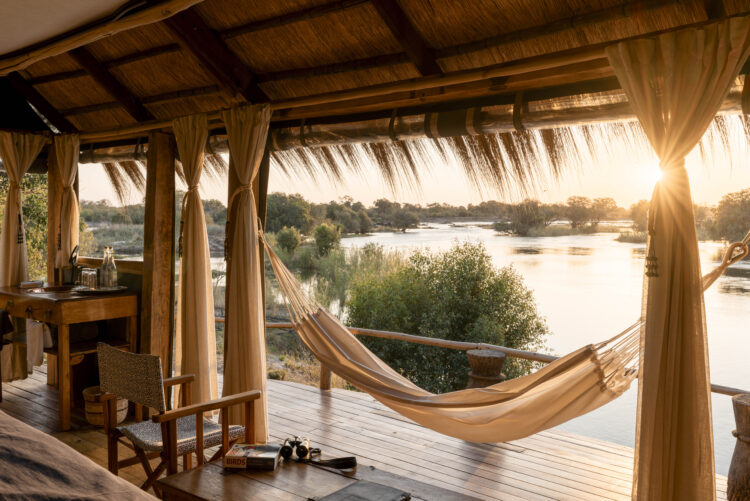
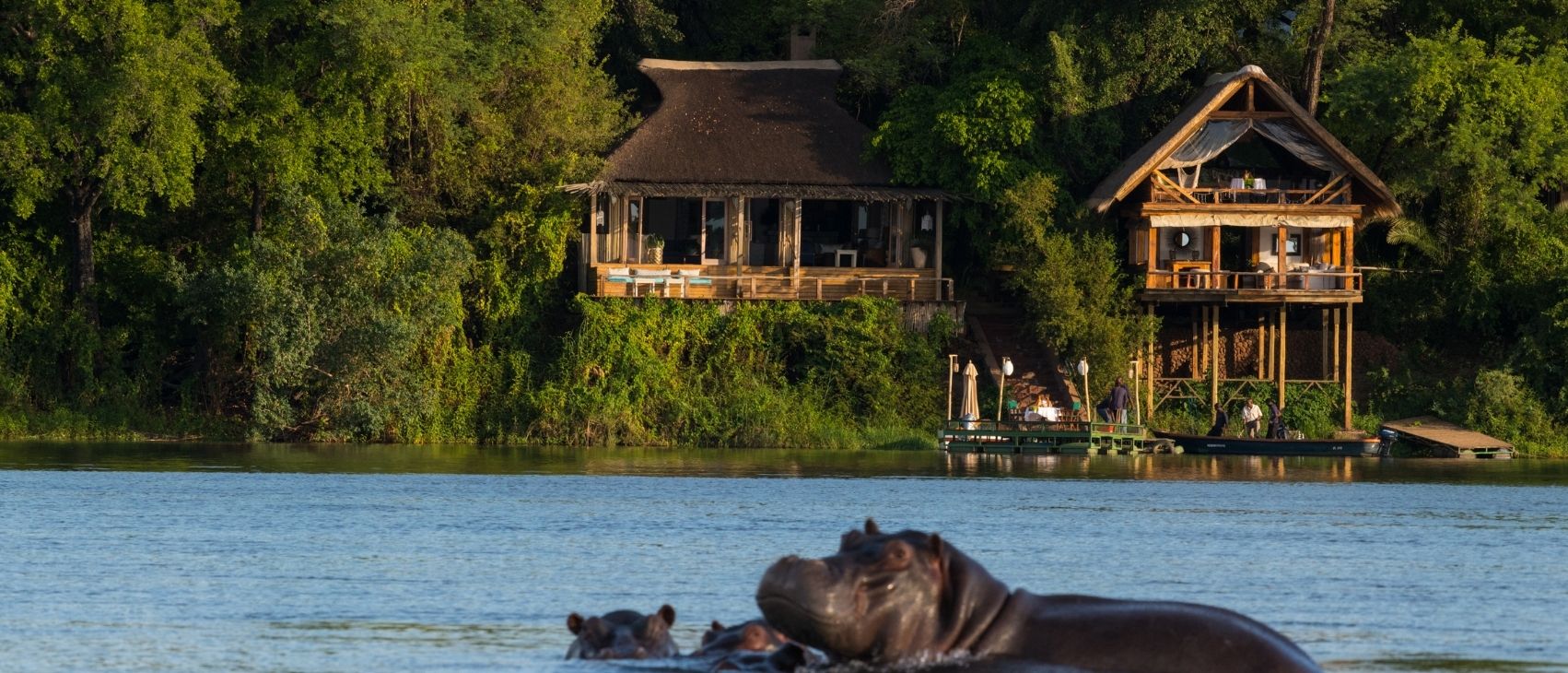
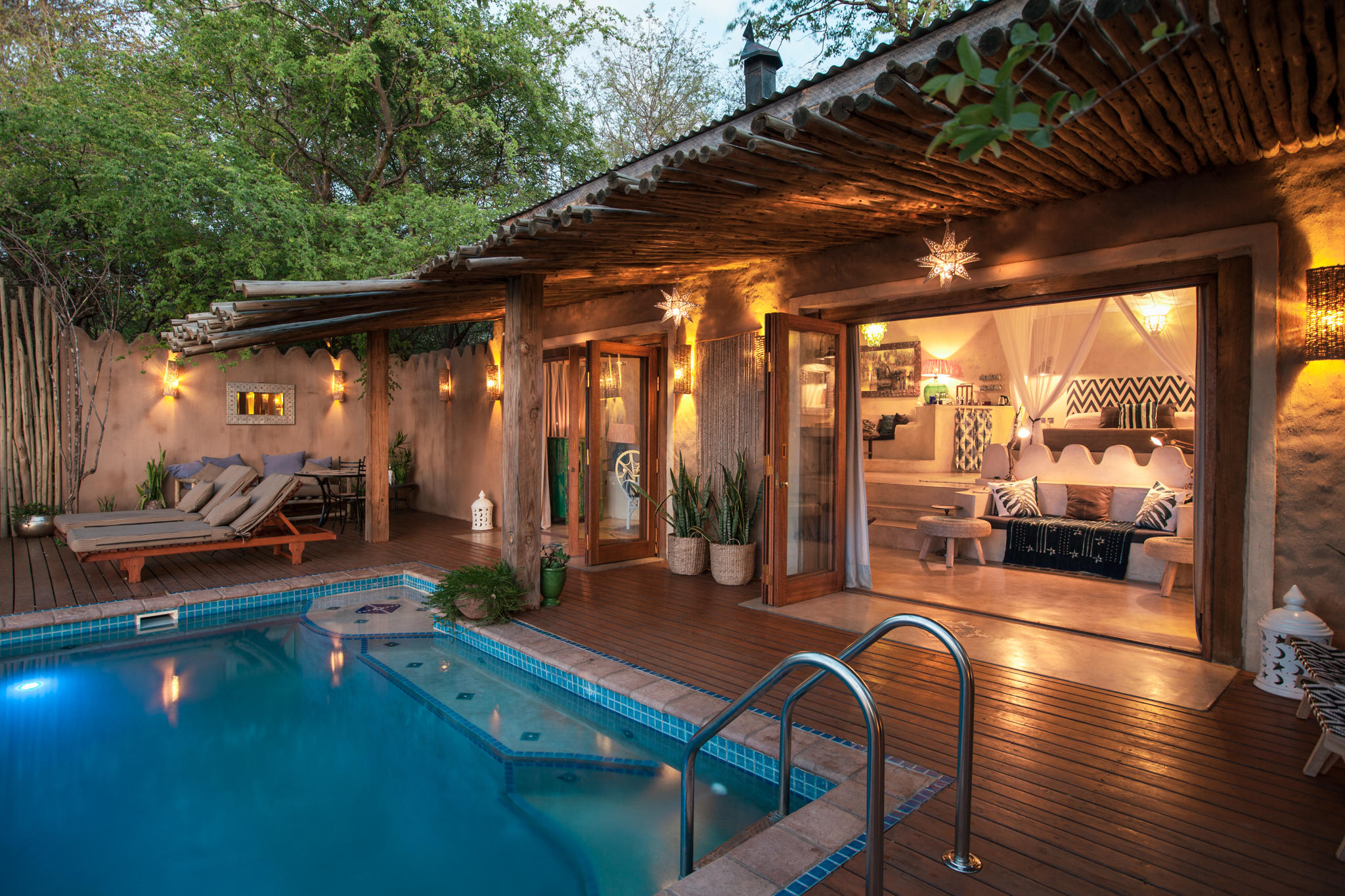
Every anniversary needs an origin, and ours doesn’t start on the Zambezi at all. It starts on the Kafue River, where in 2016 our Dutch founder, Vincent Kouwenhoven, built Zambia’s first premier eco-luxury lodge from little more than sandbags and a stubborn belief that luxury and conservation could share a roof. That lodge, Ila Safari Lodge, is where the Green Safaris story truly begins: humble beginnings, a fierce love for wild places, and a decade-long refusal to stand still. The trail we’ve walked since then has looped back through places with even older histories of their own. The last track leads home. A roar you hear before you see it. A lodge that began as tents and became one of Condé Nast’s top 20 hotels in the world. That lodge is Tongabezi, twelve kilometres upstream of the Zambezi’s Seven Natural Wonders. Its own story began decades before ours, but in February 2020, Tongabezi officially joined the Green Safaris family, carrying that same spirit forward. Where safari-goers once used tents and bucket showers, they now wake to beautifully designed rooms and private plunge pools, where timber decks blur the line between lodge, bush and river. And the same stretch of water that welcomed the first guests now carries something else entirely, something quietly electric, gliding past at dusk. We’ll come back to that.
The Places That Made Us
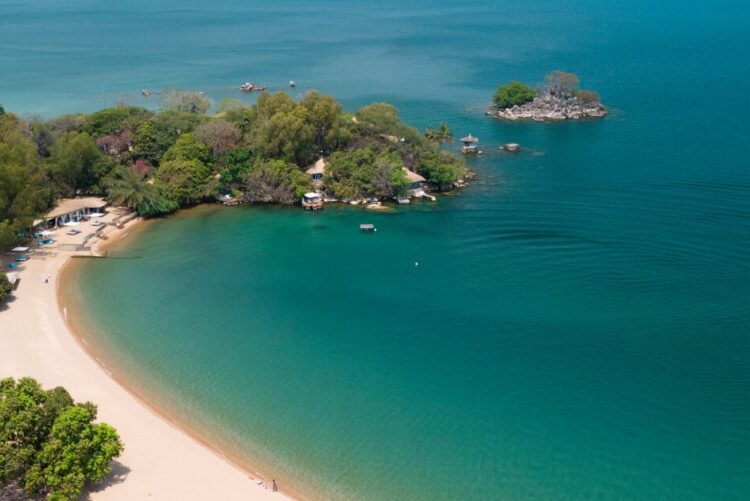
A decade rarely moves in a straight line, and neither did ours. It moved the way a river does, gathering new tributaries along the way. From Ila Safari Lodge in the Kafue, one of Africa’s largest and least-crowded national parks, we grew a family of camps, one tributary at a time. Chisa Busanga Camp joined on the Busanga Plains, and Shawa Luangwa Camp in the walking-safari heartland of South Luangwa, before the trail reached the Zambezi, where Tongabezi and Sindabezi Island Camp, each with decades of their own history, joined the family too. Sausage Tree Camp and Potato Bush Camp followed in the Lower Zambezi, where lion tracks outnumber footprints. Then the trail crossed a border of a different kind, over water rather than land, to Kaya Mawa on Likoma Island, where Lake Malawi does for the soul what the bush does for the senses. Each of these camps has its own chapter, its own rebuild, its own community it answers to, and together they’ve earned a decade of recognition along the way, from global hotel lists to features on why Zambia’s safaris are finally getting the attention they deserve. You can trace the whole trail, press clippings and all.
Africa’s First Electric Dhow
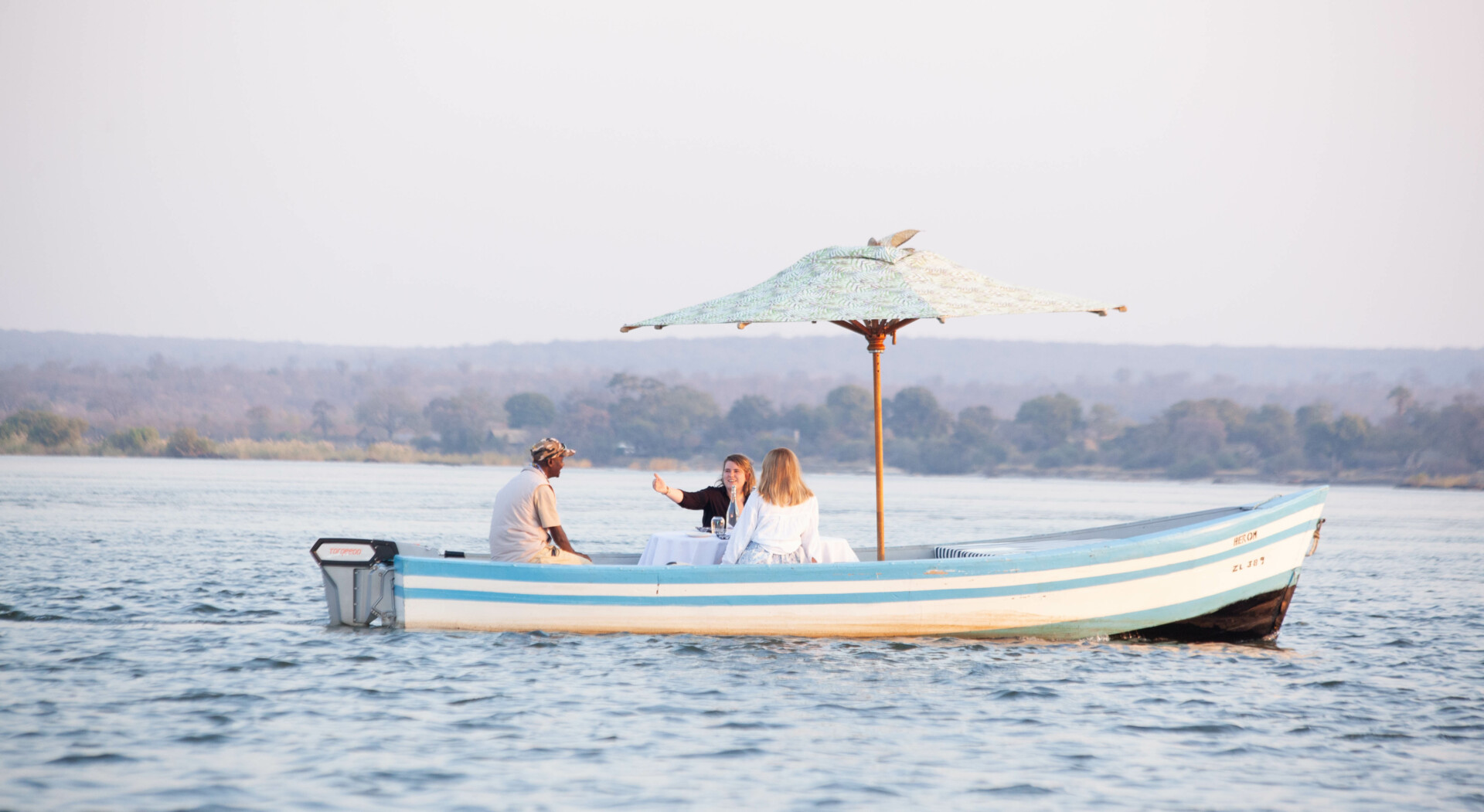
Ila is where our story began. Tongabezi is where the Zambezi takes its boldest turn yet. For ten years, going quieter has been part of our method, from solar-powered lodges to the silent, electric game-viewing vehicles that have quietly reshaped how safari-goers experience the bush, a shift the wider travel industry has since taken note of. Now that same sustainability philosophy has taken to the water. Africa’s first electric dhow slips across the Zambezi without so much as a hum, close enough to hippos and fish eagles that you notice how loud a diesel engine has always been by comparison, and how much you were never meant to hear. It’s a small vessel with an outsized point to make: that the future of safari travel doesn’t have to trade one experience for the other, wildlife or engineering, silence or ambition. It can be both, and it can be quiet enough to let the river do the talking.
Ten Years Wild, and What Comes Next
Ten years is long enough to learn what actually matters, and short enough to still be hungry for what’s next. The next decade of Green Safaris looks a great deal like the last one, only louder in ambition and quieter in footprint: more electric transport across our camps, deeper investment in the communities that make every one of these places possible, and new corners of Zambia and Malawi still waiting for the kind of careful attention we’ve spent ten years perfecting. If the first ten years were about proving that conservation-led travel could compete with and outshine the traditional safari, the next ten are about ensuring it becomes the standard everyone else measures themselves against.
Enter the Competition
We couldn’t mark ten years wild without inviting you onto the trail yourself.
This is the final clue in our GS10 trail, and by now you have everything you need to solve it. Picture a lodge that began life as tents and bucket showers, and grew into one of Condé Nast’s top 20 hotels in the world, set twelve kilometres upstream of one of the Seven Natural Wonders. Once you’ve placed the lodge, look to its waters. What is now sailing silently there, quietly making history of its own? Submit your answer at https://greensafaris.com/follow-the-trail-competition.php before entries close on the 17th of August 2026. Follow the full trail and join the conversation with #GS10Trail, #GreenSafaris10, #FollowTheTrail, and #ConsciouslyCurious.
To Close It Off
Ten years wild, and we’re only just getting started. Every camp, every rebuild, every quiet electric mile on the Zambezi has been part of the same story: that travelling well and treading lightly were never meant to be different journeys. Thank you for ten years of exploring consciously with us. Here’s to the next decade of places still waiting to be made.