Mushonganhende Organic Farm: growing a safer future in Chiawa
Green Safaris | October 13, 2026
In Chiawa, growing food has long involved a difficult choice. Families need water for their crops, so many of them farm close to the river. But the same land brings them into contact with elephants, crocodiles and hippos. For people whose livelihoods depend on what they can grow, an ordinary day’s work can carry extraordinary risk.
Mushonganhende Organic Farm offers another way forward. Established with support from Green Safaris and a generous donation from a recent guest at Sausage Tree Camp, the farm gives participating households a protected place to grow vegetables and a local market for their harvest. Sausage Tree Camp and Potato Bush Camp purchase produce from the farmers, bringing food grown in Chiawa into the kitchens that serve our guests.
It is a practical project, rooted in the needs of the community. And its name feels particularly fitting: in the local Goba language, Mushonganhende means medicine, cure or remedy.
Why does Chiawa need safer places to farm?
Mushonganhende Village lies in Chiawa, approximately 30 kilometres from Lower Zambezi National Park. Locally known as the Royal Village, it is the ancestral home of the area’s traditional leadership. Around 3,000 people live here, and farming supports many households.
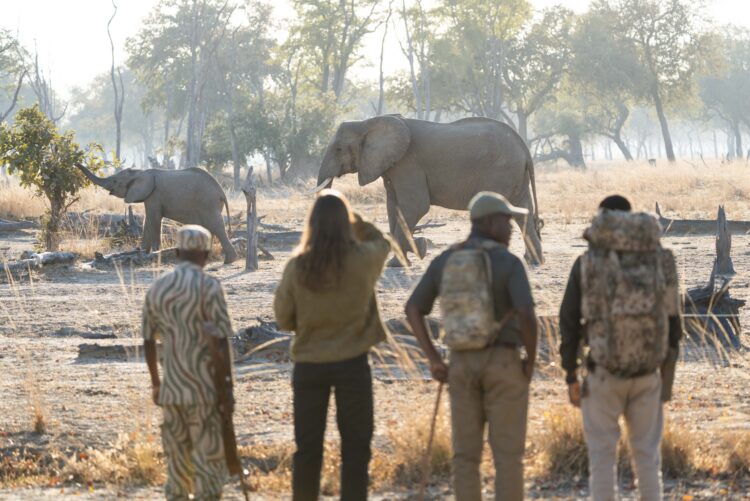
Water, however, is limited. To irrigate their crops, families have traditionally worked close to the river. That puts them in the path of wildlife moving through the area. Elephants can destroy crops and threaten the people tending them, but they are not the only challenge. Antelope wandering into the fields, armoured bush crickets and other visiting wildlife can all take their toll on the harvest. Drawing water and working near the river can also bring farmers close to crocodiles and hippos.
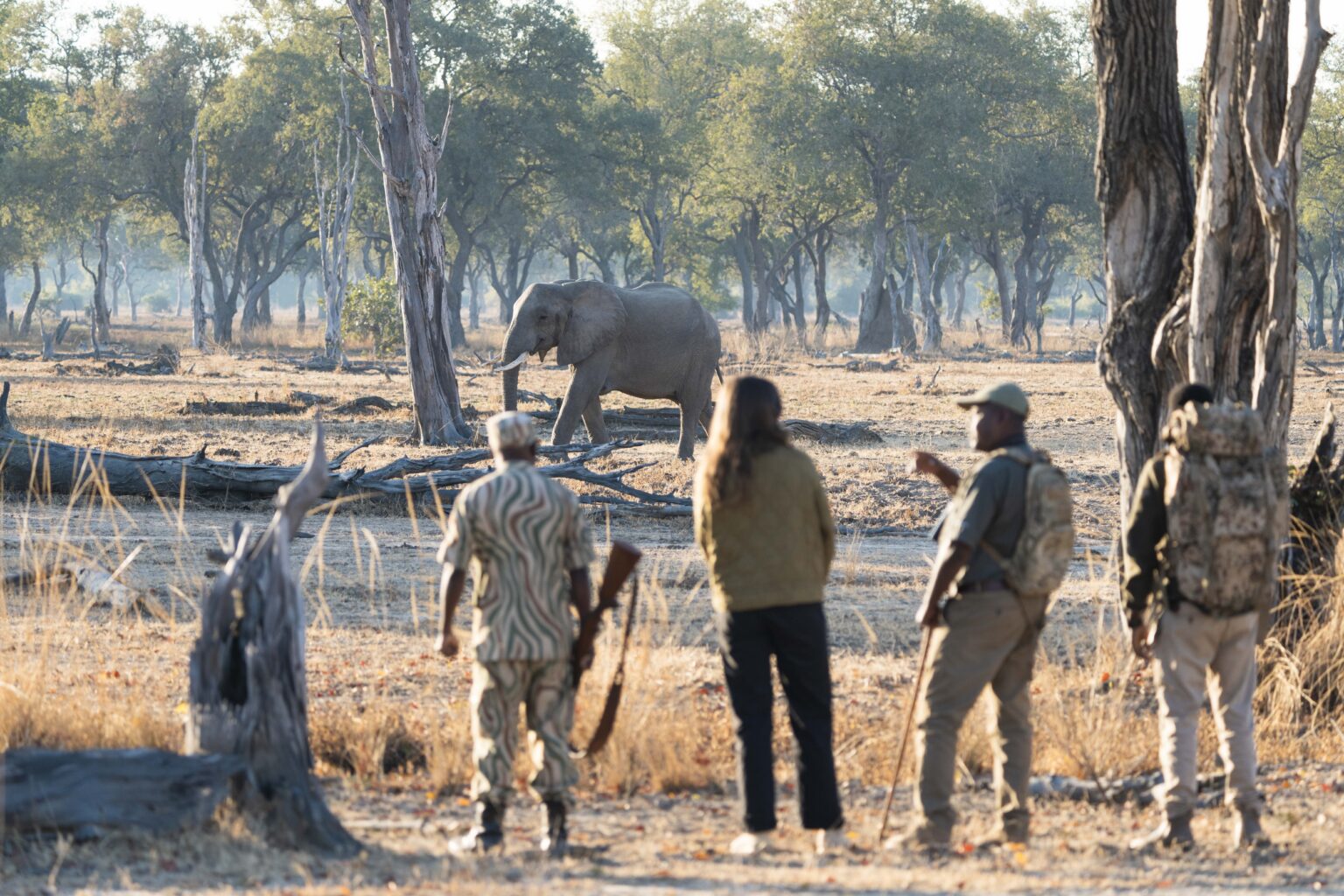
These encounters have had devastating consequences. Villagers have been chased and injured, and some have lost their lives. Damage to crops can leave a household with less food to eat and less produce to sell. Moving farming away from the most dangerous areas, while keeping it productive, could make a meaningful difference to daily life.
The need for a safer solution became clear through conversations with people who know Chiawa best. Approximately 80% of our team members at Sausage Tree Camp and Potato Bush Camp come from the surrounding community. They shared what their families and neighbours were experiencing with Green Safaris’ management and guests. Those conversations helped shape the response.
What is Mushonganhende Organic Farm?
Mushonganhende Organic Farm is a protected farming project in Chiawa Village. Green Safaris supported its first phase by sponsoring a four-hectare piece of land, installing an electric fence, and providing the infrastructure needed to begin growing crops.
The fence is central to the project. It helps keep elephants away from the growing area, protecting crops and allowing farmers to work with less risk of a dangerous encounter. Within that space, participating households can grow organic vegetables and develop their farming skills.
The farm began operating in April 2026 and currently supports approximately 22 households. Interest from other community members has grown as they have seen it take shape. The hope is to secure funding to extend the protected area so that more families can take part.
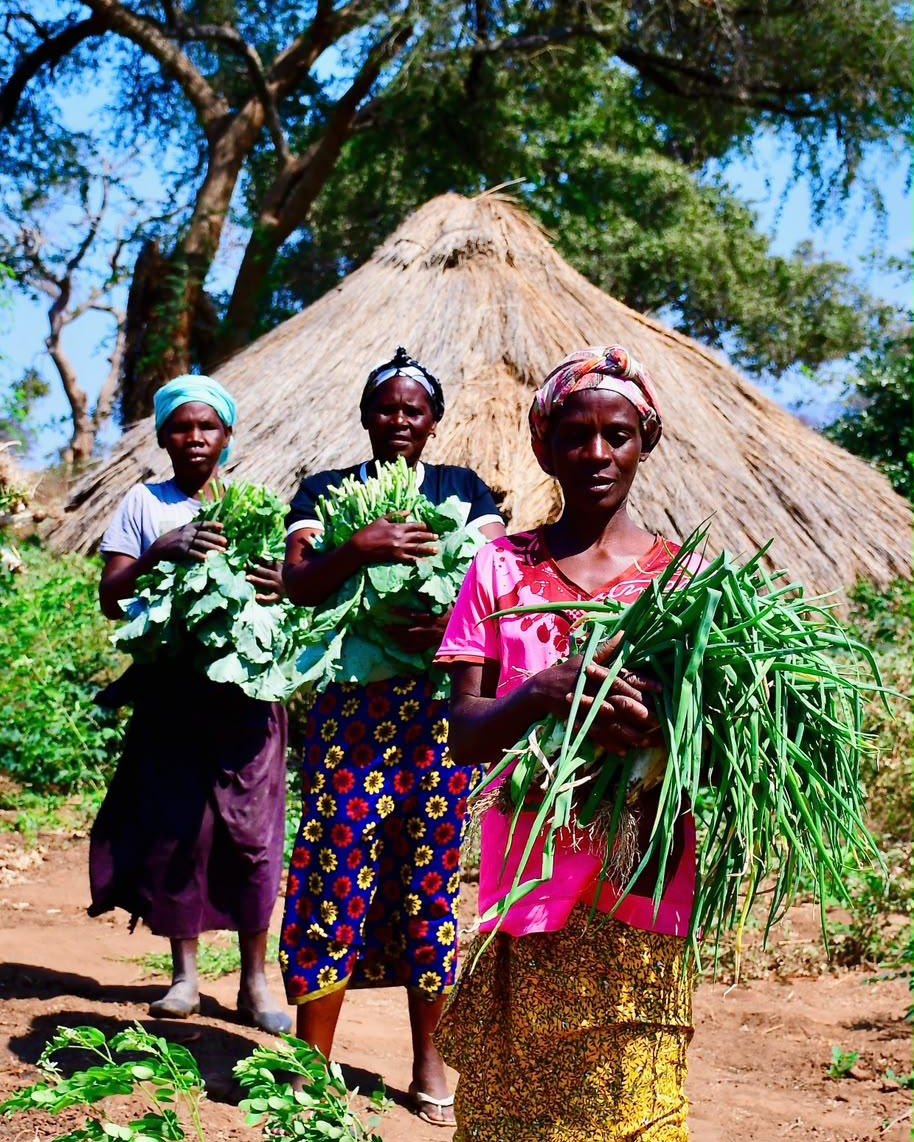

A fence alone cannot resolve every challenge of living alongside wildlife. It can, however, give farmers a safer place to work and help protect the harvest on which their families depend.
How does the farm support local livelihoods?
A good harvest matters most when farmers have somewhere dependable to sell it. Mushonganhende’s vegetables are purchased and used by Sausage Tree Camp and Potato Bush Camp, and other camps can buy fresh produce directly from the farmers too.
This creates a direct connection between the community and the tourism businesses operating nearby. The farmers grow the vegetables. The camps purchase them. Income from those sales can then support the households doing the work.

For our kitchens, it means access to fresh produce grown in the area. For the farmers, it means their crops have a local buyer. It also gives guests a more tangible connection to Chiawa. Some of the food on the table began its journey with the people who live and farm here.
That relationship needs care as the farm grows. The farmers must be able to plan what to grow, tend their crops, and bring in a harvest, while the camps need produce they can use. The early harvests show what is possible when both sides have a reason to make the arrangement work.
The person helping the farm grow
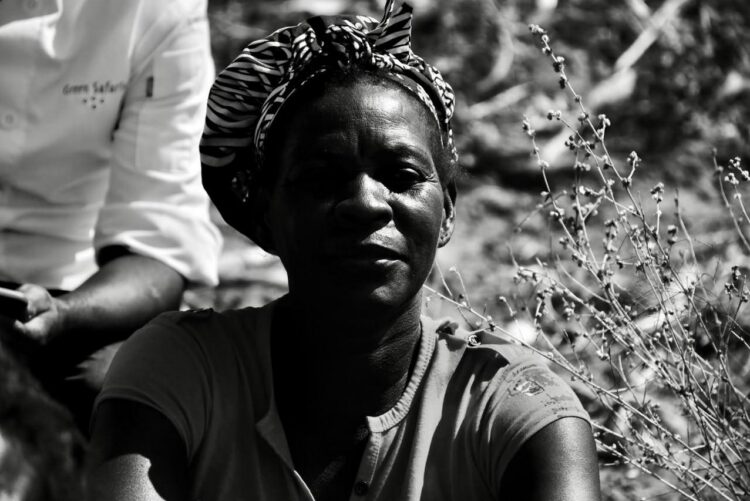
For farm manager Steve Kailo, Mushonganhende is deeply personal. Steve lost his son in an elephant attack. His experience has strengthened his determination to help other families farm more safely and to build something that will continue serving the community.
Steve has also been developing the practical knowledge needed to manage the farm. He travelled to the Ila Community Farm, which Green Safaris established in Nalusanga in the Mumbwa area. There he received training and observed its day-to-day operation. He is now applying what he learned at Mushonganhende and sharing it with participating households.
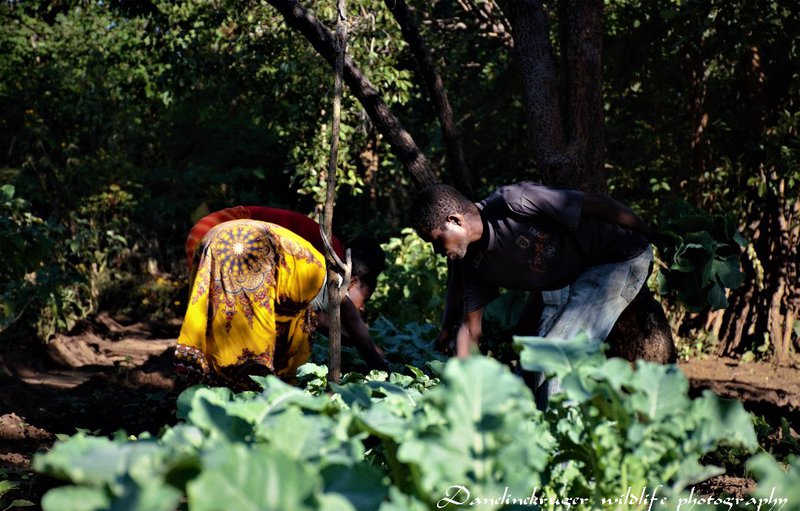
With assistance from the Green Safaris Conservation Foundation, the initiative provides training in organic farming and responsible coexistence with wildlife. Growing a successful crop involves far more than preparing the soil. Farmers need to manage the growing area, learn from each season, and work together to keep the project productive.
Steve’s leadership brings that learning close to home. He understands the risks families face because he has lived with their consequences. He also knows that the farm’s future depends on the people growing food there having the skills and opportunity to carry it forward.
To see the farm in action and hear from the people behind it, watch our short film on Mushonganhende: [insert link to Omega and Madalitso’s video]
Can tourism help reduce human-wildlife conflict?
In places like Chiawa, conservation and everyday life meet at the edge of fields, along paths to water and near the river. People need to grow food and earn a living in a landscape that is also home to wildlife. Supporting coexistence means paying attention to what it looks like for the families who live there.
Mushonganhende is one response to that reality. The protected growing area helps reduce the risk of elephants entering the fields. Training helps farmers develop their approach to organic production and living alongside wildlife. Camp purchases give the harvest a local route to market.
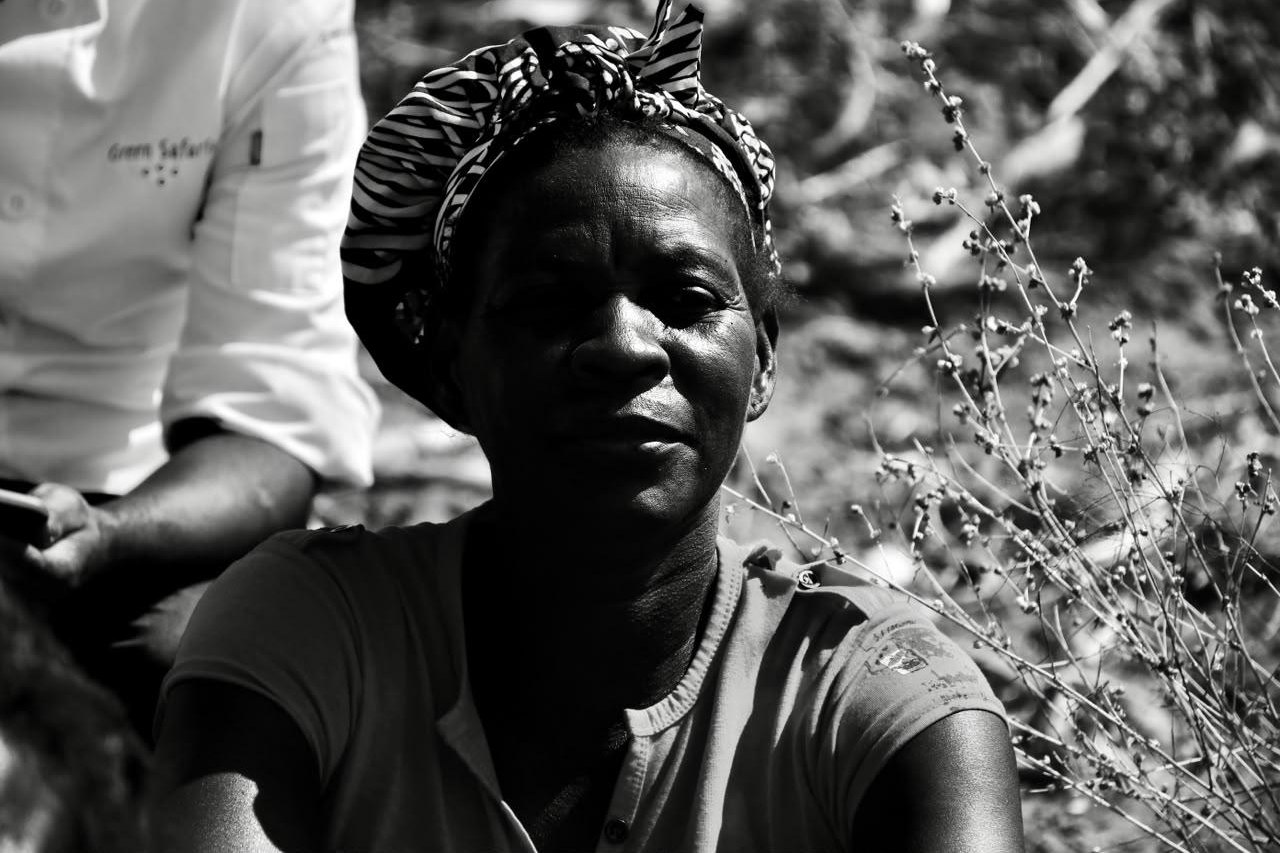
Each part matters. Safer land is more useful when farmers can grow successfully on it. Training has greater value when there is space to put it into practice. A productive farm has a stronger future when the people doing the work can earn from it.
There is still much to learn as Mushonganhende develops. The farm is in its early stages, and expanding it will require further support. But its purpose is clear: to help families produce food and earn an income with less exposure to the dangers they have faced while farming near the river.
From the farm to the camp kitchen
One of the simplest ways to understand Mushonganhende is to follow a vegetable from the field.
It is planted and cared for by a farmer in Chiawa. When it is ready, it is harvested and sold locally. A camp kitchen uses it to prepare a meal for guests visiting the Lower Zambezi. Behind that meal is a farmer’s work, a household’s income and a growing relationship between the village and the camps.
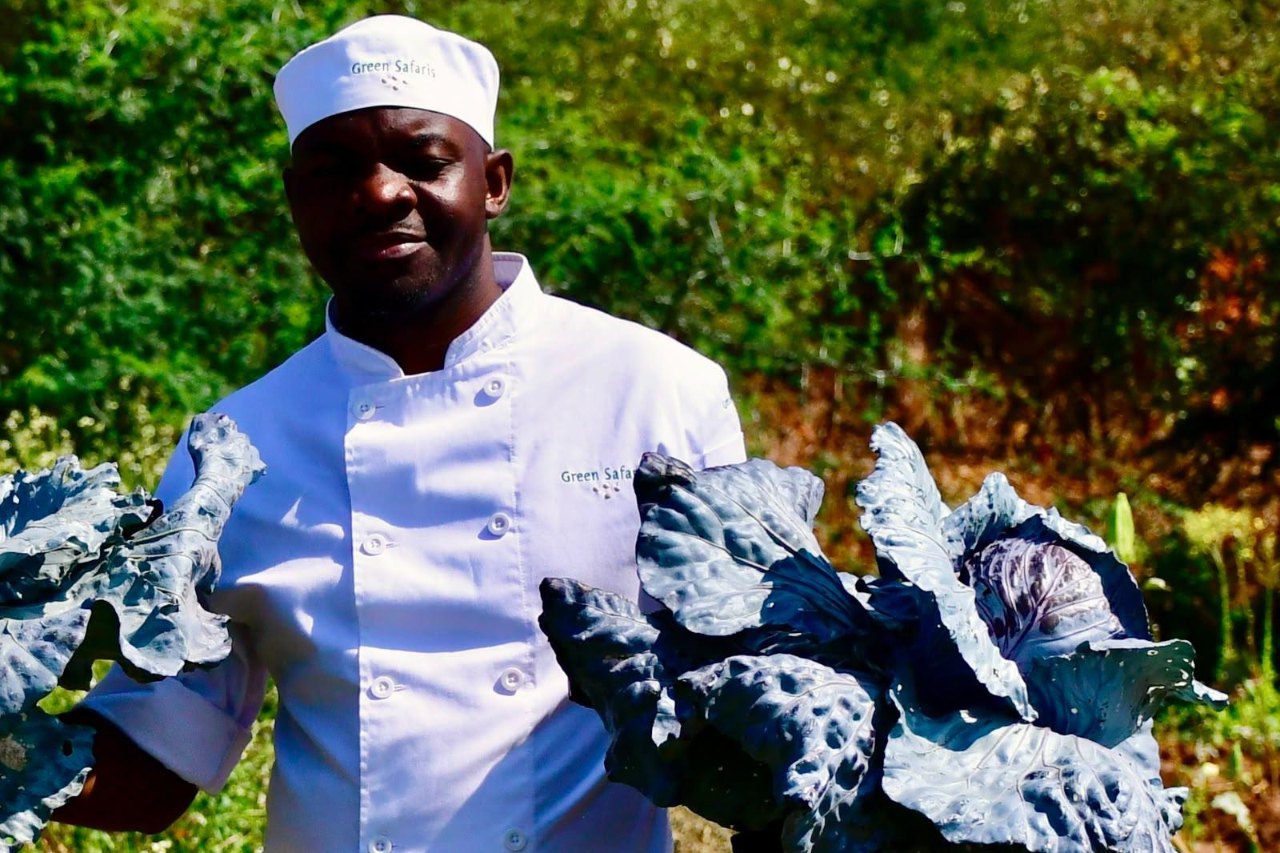
For guests, seeing that journey adds context to a meal. For the team, it reminds us that sourcing locally is an ongoing relationship with neighbours. It is a philosophy that also runs through our farm-to-table cookbook.
Can guests visit Mushonganhende Organic Farm?
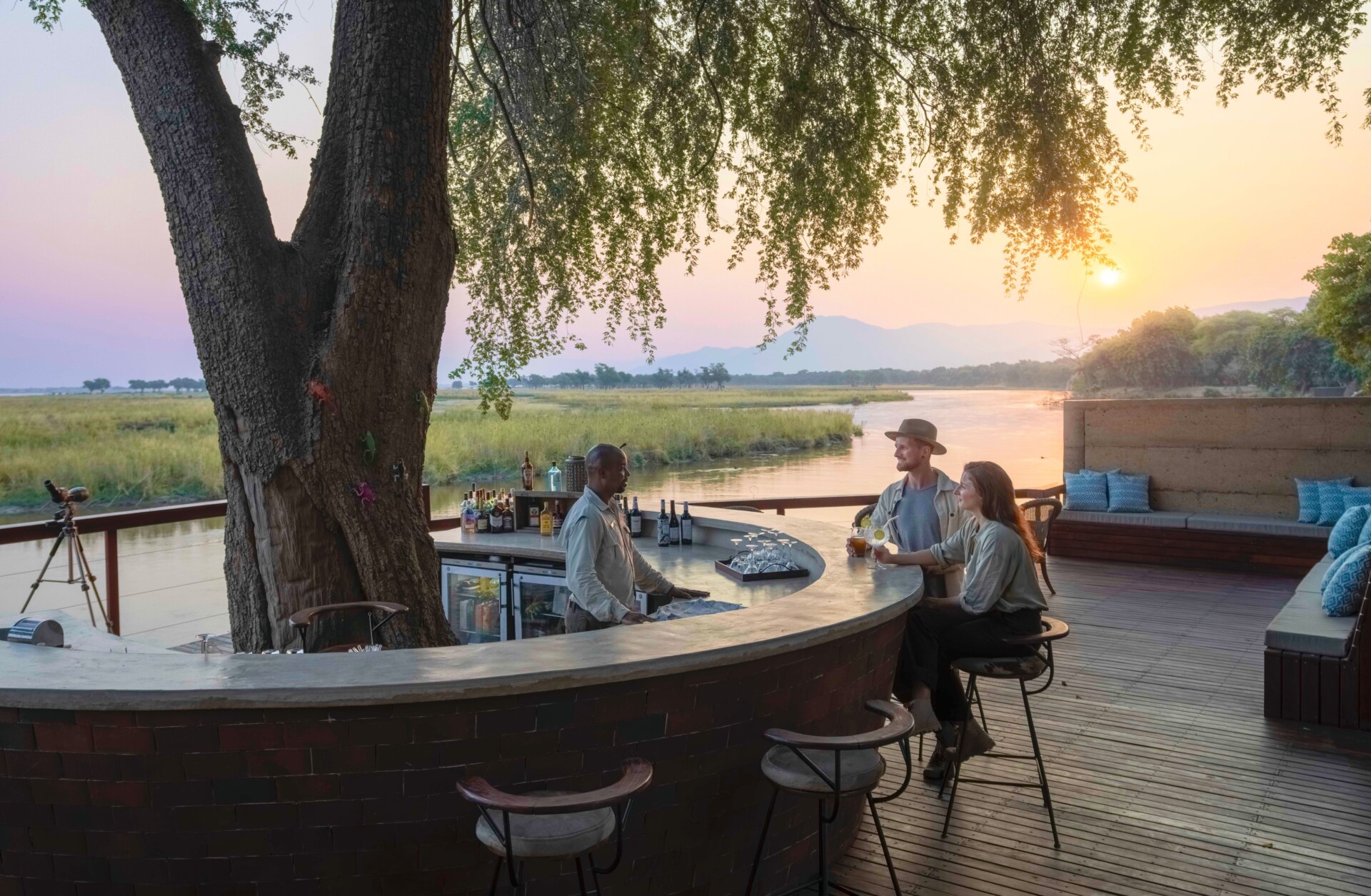
Yes, and we warmly encourage it. Guests staying at Sausage Tree Camp and Potato Bush Camp are invited to visit the farm during their stay, meet the farmers and see where some of the vegetables on their plates are grown. It is a chance to walk the protected growing area, hear how the season is going, and understand what safer farming means for families in Chiawa. The farm is a 45-minute boat ride from camp each way, so we kindly ask visiting guests to contribute towards the fuel costs.

Guests who would like to do more can donate to the farm through the Green Safaris Conservation Foundation. Every contribution helps the project grow, from extending the protected area so more households can take part to supporting training, tools, and seeds for the farmers. Speak to the camp team during your stay to arrange a visit or find out how to give.
Frequently asked questions
What is Mushonganhende Organic Farm?
A community farming project in Chiawa, Zambia, supported by Green Safaris, that gives local households a fenced, protected place to grow organic vegetables.
Where is the farm?
In Mushonganhende Village, Chiawa, about 30 kilometres from Lower Zambezi National Park.
When did the farm start?
It began operating in April 2026 and currently supports around 22 households.
Why is the farm fenced?
An electric fence helps keep elephants away from the crops and the farmers, reducing the risk of human-wildlife conflict.
Which camps buy produce from the farm?
Sausage Tree Camp and Potato Bush Camp, and other camps can also buy directly from the farmers.
Can guests visit the farm?
Yes. Guests are encouraged to visit during their stay. The farm is a 45-minute boat ride from camp each way, so we ask for a contribution towards fuel costs. Speak to the camp team to arrange it.
How can I support the project?
Donations through the Green Safaris Conservation Foundation help extend the protected area and fund training, tools and seeds.
What does Mushonganhende mean?
In the local Goba language, it means medicine, cure or remedy.