

Why Lake Malawi Belongs on Your Bucket List
Green Safaris | November 5, 2026
The Lake That Feels Like the Sea
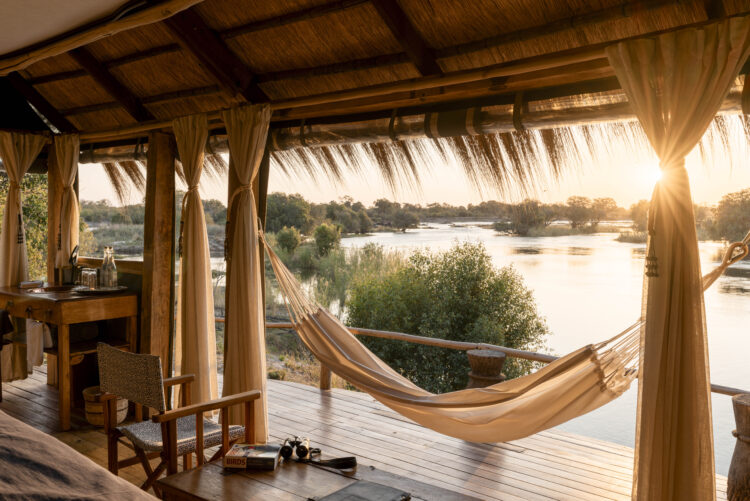
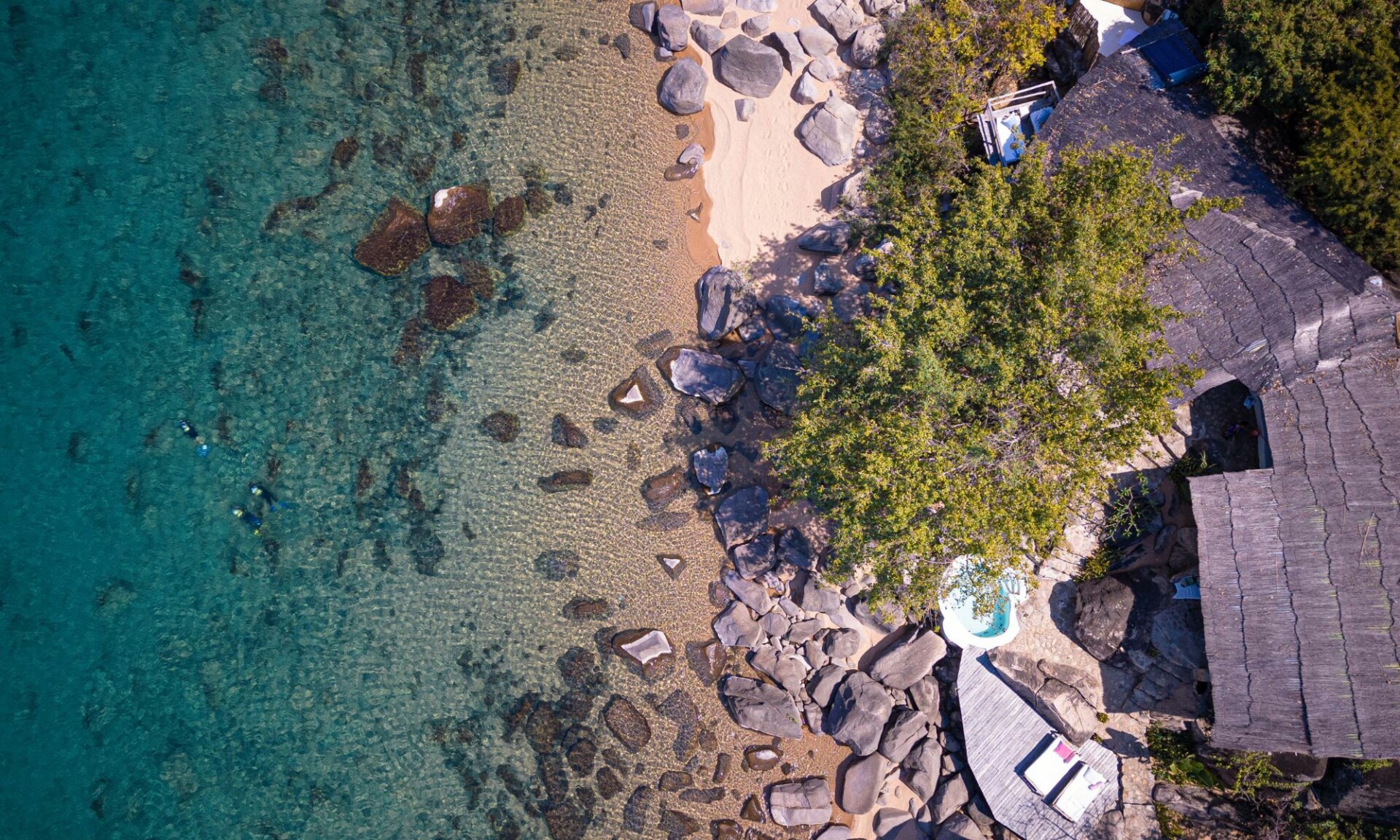
Picture this. You wake to the soft slap of water against granite. The light through your shutters is the colour of honey. Below your deck, a shoal of electric blue fish goes about its morning business in water so clear you can count the pebbles three metres down. A hammock with your name on it, a kayak waiting on the sand, and absolutely nowhere you need to be.
You could be forgiven for thinking you had landed on a tropical coastline. You have not. You are in the heart of Africa, on an island in a freshwater lake so vast that the horizon simply gives up and melts into the sky.
This is Lake Malawi. And it is, quietly, one of the most enchanting places on the continent.
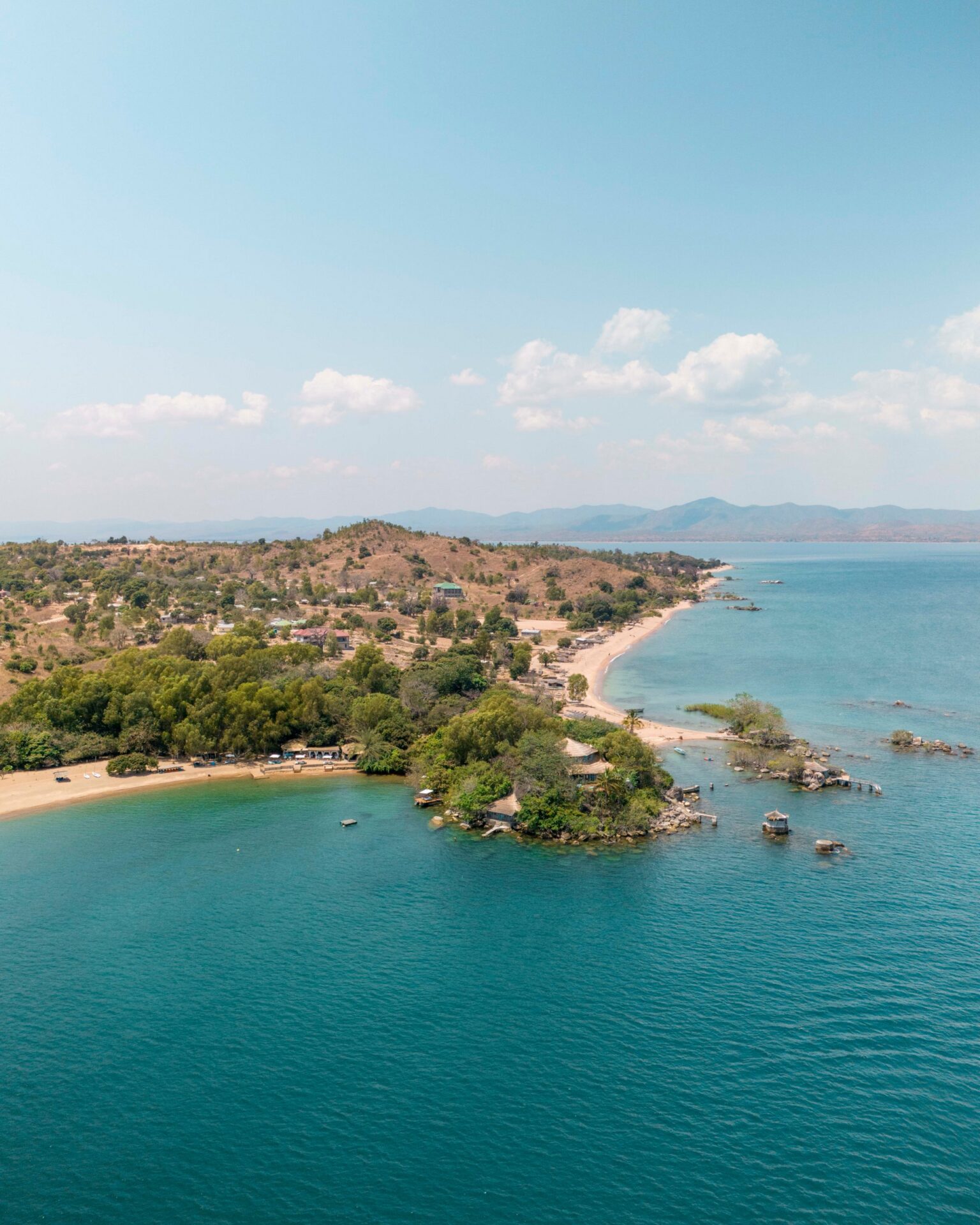
For the traveller who has already ticked off the famous names, Malawi offers something increasingly rare: the feeling of discovery. No queues. No crowds jostling for the same sunset. Just island calm, a warmth of welcome that Malawians are famous for, and some of the clearest freshwater on the planet. If your next Malawi lake holiday is still a daydream, consider this your gentle nudge.
What Is Malawi Known For?
Malawi is best known for Lake Malawi, the third largest lake in Africa, which covers roughly a fifth of the country and holds more fish species than any other lake on Earth. It is also known as “the Warm Heart of Africa” for the famously friendly welcome of its people. Travellers come for the lake’s crystal-clear water, its kaleidoscope of endemic cichlid fish, its quiet islands such as Likoma, and the rare chance to pair a beach escape with a classic African safari.
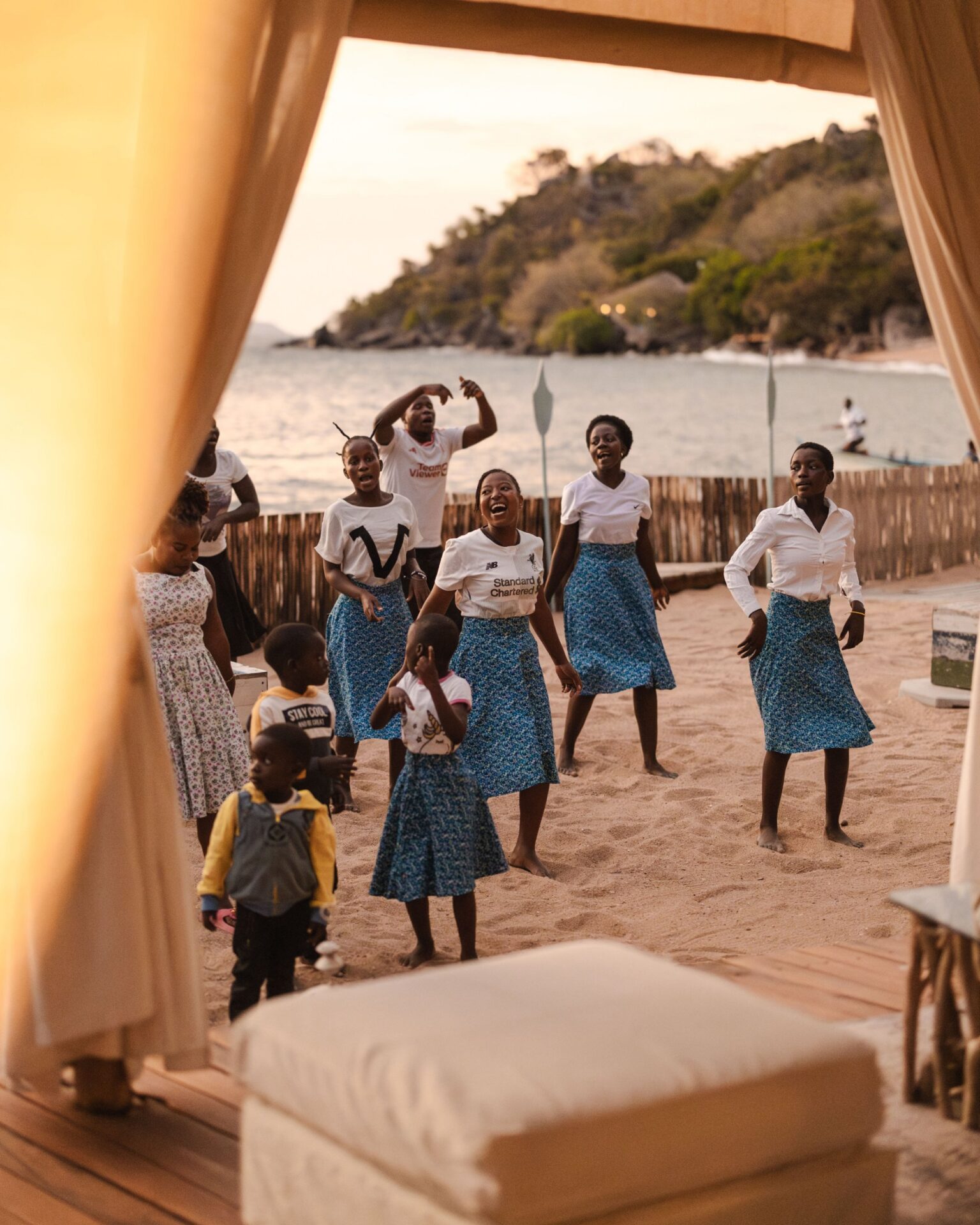
That nickname is not a tourism board invention, by the way. Spend an afternoon in a Likoma village, and you will understand it instantly: children waving from the path, fishermen calling greetings from their dugouts, and smiles that arrive long before the words do.
Lake Malawi: Africa’s Inland Sea
Let us talk numbers, because Lake Malawi deals in superlatives. It stretches some 580 kilometres from north to south and up to 75 kilometres across, with a surface area of nearly 30,000 square kilometres. In places it plunges more than 700 metres deep, making it the second deepest lake in Africa. Its shores are shared by three countries: Malawi, Mozambique and Tanzania.
But the real magic lies beneath the surface. Lake Malawi is home to an estimated 700 to 1,000 species of cichlid fish, the vast majority found nowhere else on Earth. The rock-dwelling species are known as mbuna (“rockfish” in the local Chichewa language), and they dart about the rocks in shades of sapphire, tangerine and lemon yellow, like confetti that forgot to land. The lake holds around 30 percent of all known cichlid species in the world, and scientists have compared its evolutionary importance to the finches of the Galápagos. It is little wonder that Lake Malawi National Park was inscribed as a UNESCO World Heritage Site in 1984.
And its most poetic name? The Lake of Stars, inspired by the lanterns of night fishermen bobbing on the water, which from a distance look like a second sky. Stay out on your deck after dinner, and you will see exactly why.
What Makes Lake Malawi Special
Should you visit Malawi? Yes, especially if you value space, serenity and genuine connection over crowds. Lake Malawi offers the barefoot ease of a beach holiday without salt, tides or busy resorts, alongside remarkable underwater life and a cultural warmth that stays with you long after you leave.
Here is what sets it apart.
Exclusivity, without trying. Malawi sits gloriously off the main tourist circuit. On Likoma Island, there are more fish eagles than tour buses (we have not formally counted, but we are confident). Your stretch of sand often feels entirely, deliciously yours.
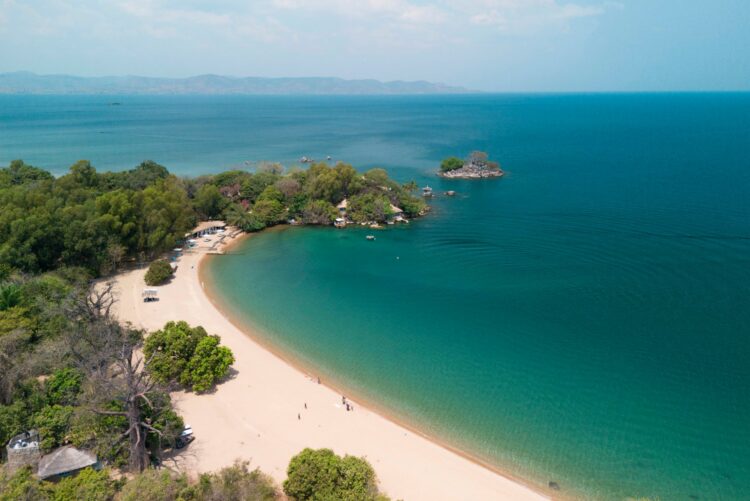
Scenery that rewrites the beach rulebook. Think smooth granite boulders, baobabs leaning over secret coves, mango trees heavy with fruit, and water that shifts from jade to cobalt as the day goes on. Then the sunsets arrive, and everyone falls silent.
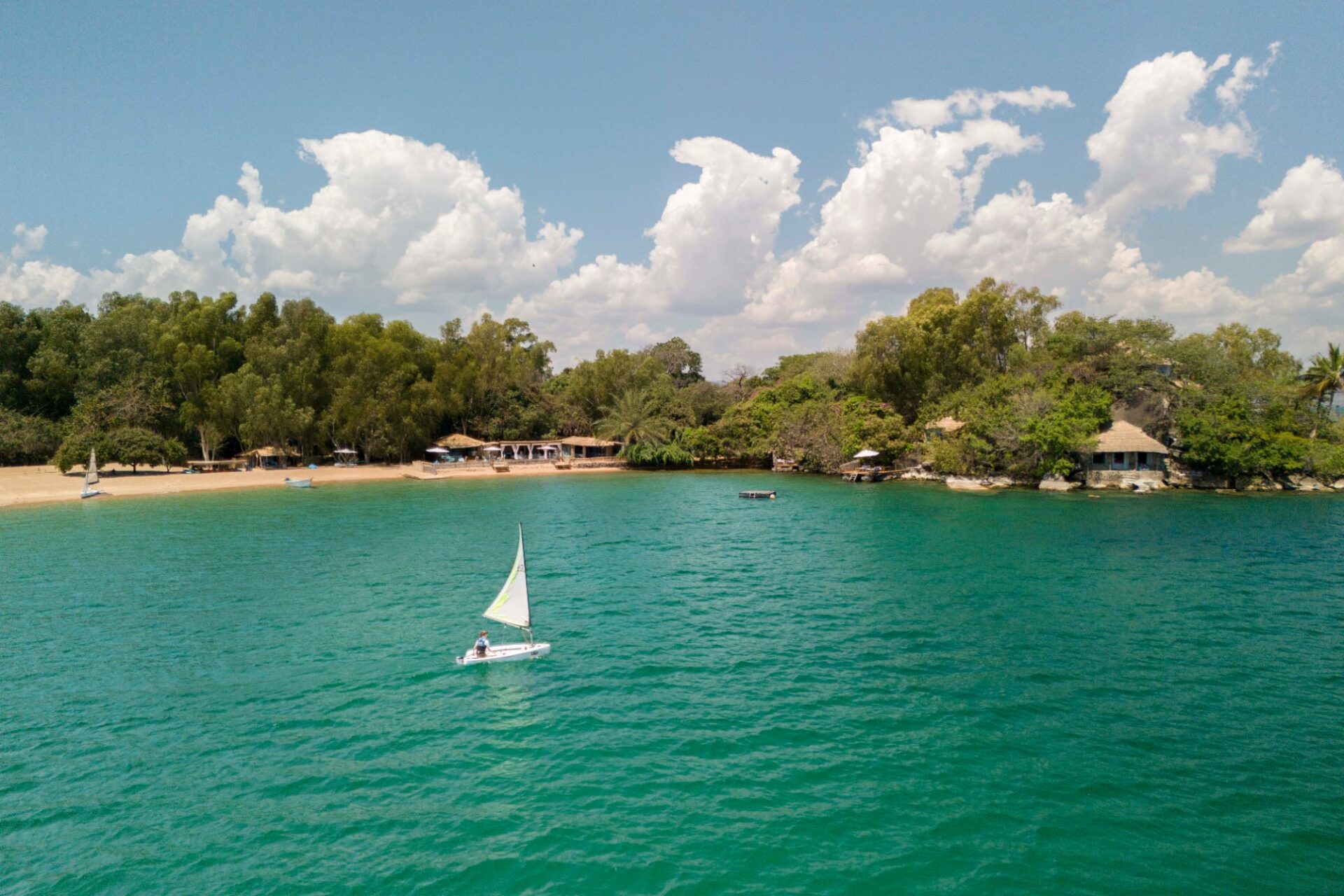
Serenity on tap. With no tides and no strong currents, the lake is soft and gentle. A light breeze usually drifts across the water, perfect for sailing and just enough to keep afternoon naps pleasant.
Travel that gives back. Tourism on Likoma is woven into island life in a meaningful way. Through the Green Safaris Conservation Foundation, Green Safaris supports education, reforestation and sustainable livelihoods across the island. More on that shortly.
Things to Do on Lake Malawi
Island time has a wonderful way of slowing you down, but there is plenty to tempt you off the lounger.
Snorkelling. At Kaya Mawa, every room and house comes with its own snorkelling gear, so you can slip into the water whenever the mood strikes. The rocks just offshore are a living aquarium, and visibility in the dry season can reach 20 metres or more.

Scuba diving. Kaya Mawa is a recognised PADI Resort with an in-house Divemaster, which means beginners can try their first breath underwater and seasoned divers can explore deeper reefs alive with cichlids. Diving in freshwater, with no salt sting in your eyes, is a revelation.
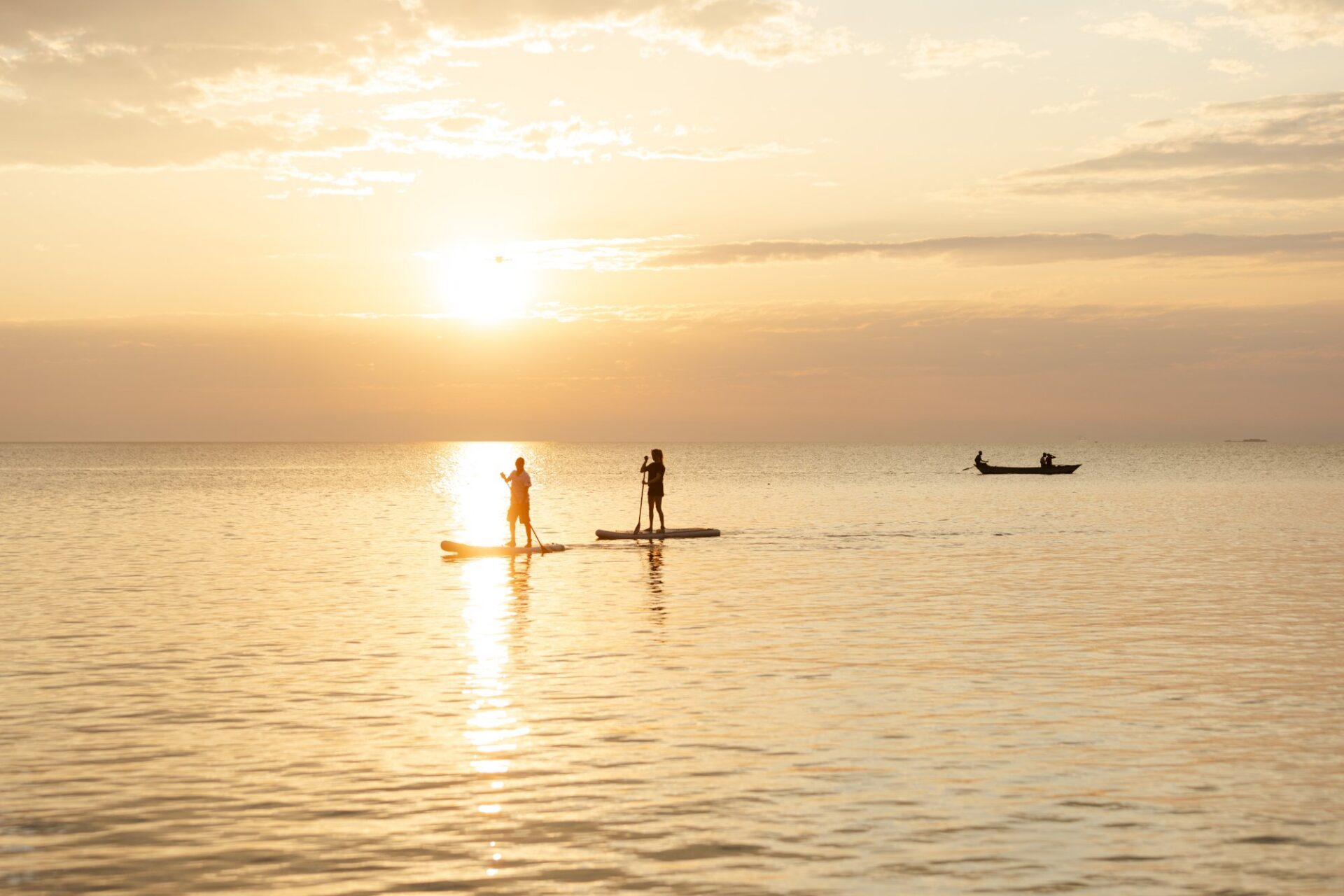
Kayaking and paddleboarding. Paddle beyond the bay and watch the Mozambican coastline shimmer on the horizon. Stand-up paddleboards are friendly to beginners, and the glassy morning water does most of the work for you.

Island exploration. Likoma is a joy to explore by e-mountain bike, powered by the sun. Or join an island drive to the extraordinary St Peter’s Cathedral, built between 1903 and 1911 and one of the most significant historic Christian buildings in Malawi. Its Gothic Revival grandeur, rising from a small island in the middle of Africa, is a sight you will not soon forget.

Around the island by dhow. Spend a day circling Likoma by speedboat or traditional dhow, stopping in Jalo Town, snorkelling in hidden spots and tucking into a picnic lunch on a deserted beach.
Birding. Likoma is home to over 100 bird species, including cormorant colonies, kites, four types of kingfisher and the lake’s resident celebrities, African fish eagles, whose haunting call is the island’s unofficial soundtrack.
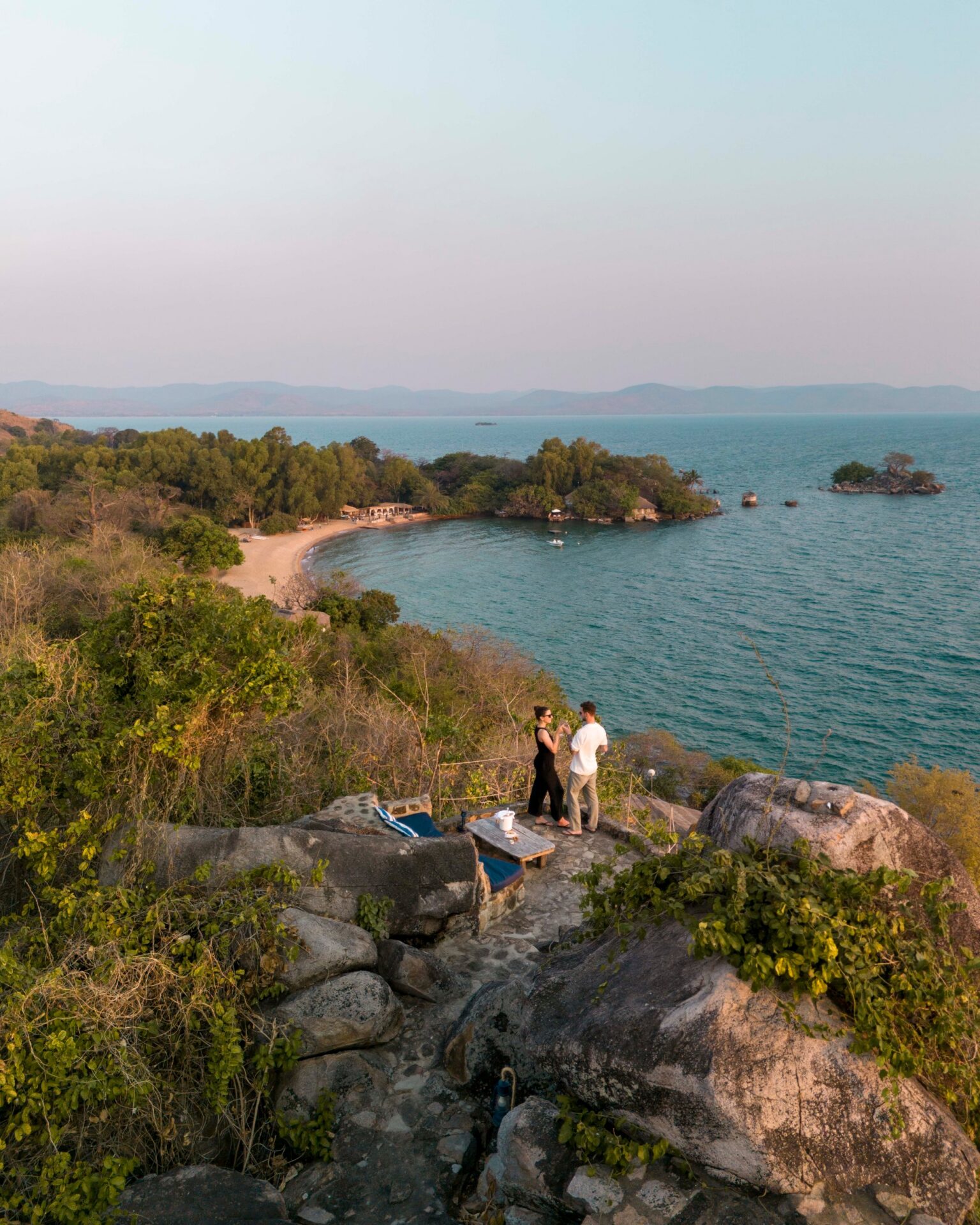
Simply doing nothing. Massages at the Kaya Spa, perched on a rocky outcrop and reached by boardwalk. Sundowners at the secret lookout spot. Live music from a local band on the beach as the sky turns pink. We would argue this counts as an activity.
Where to Stay: Kaya Mawa on Likoma Island
When it comes to choosing a Lake Malawi luxury lodge, one name has been quietly enchanting travellers for years: Kaya Mawa.
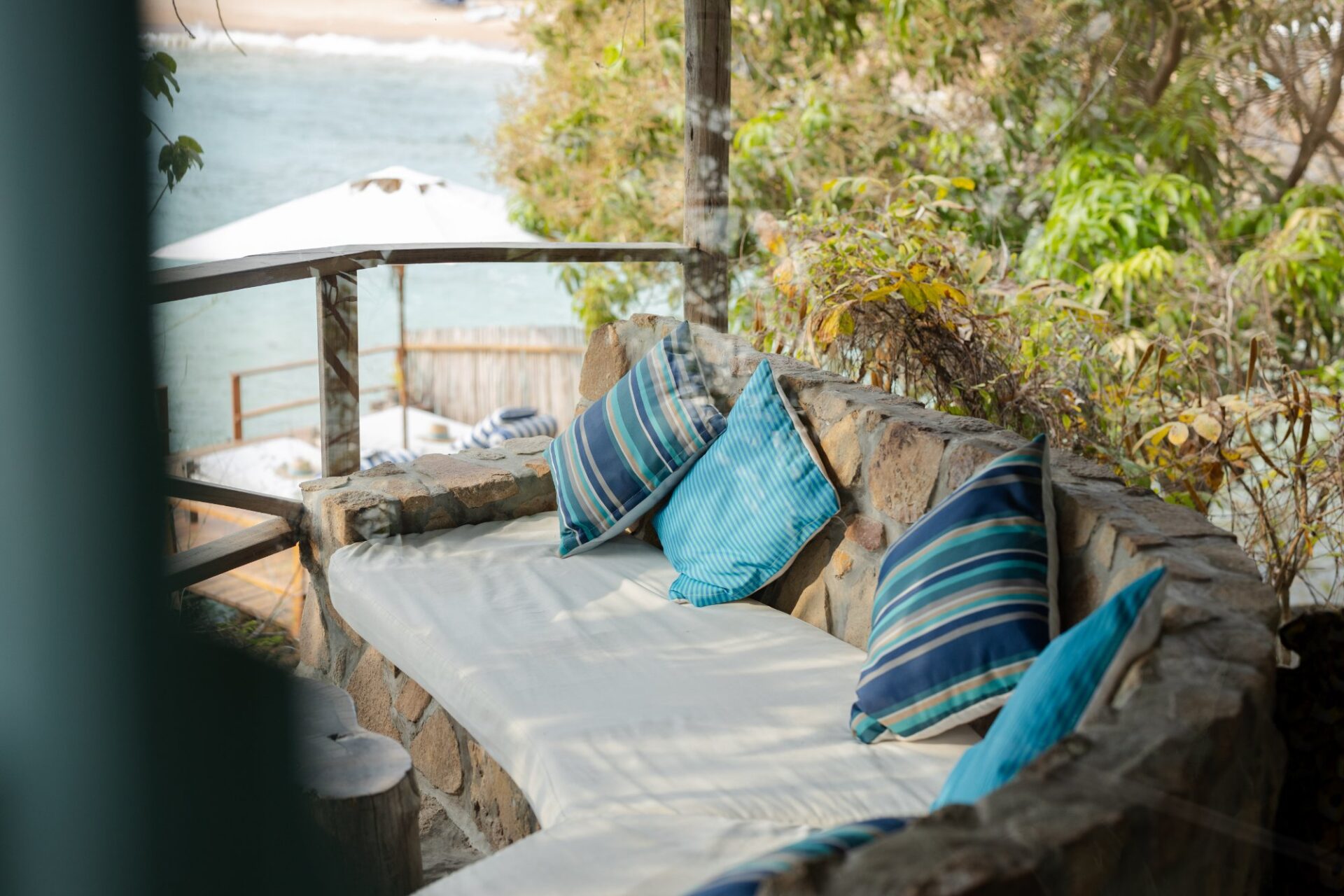
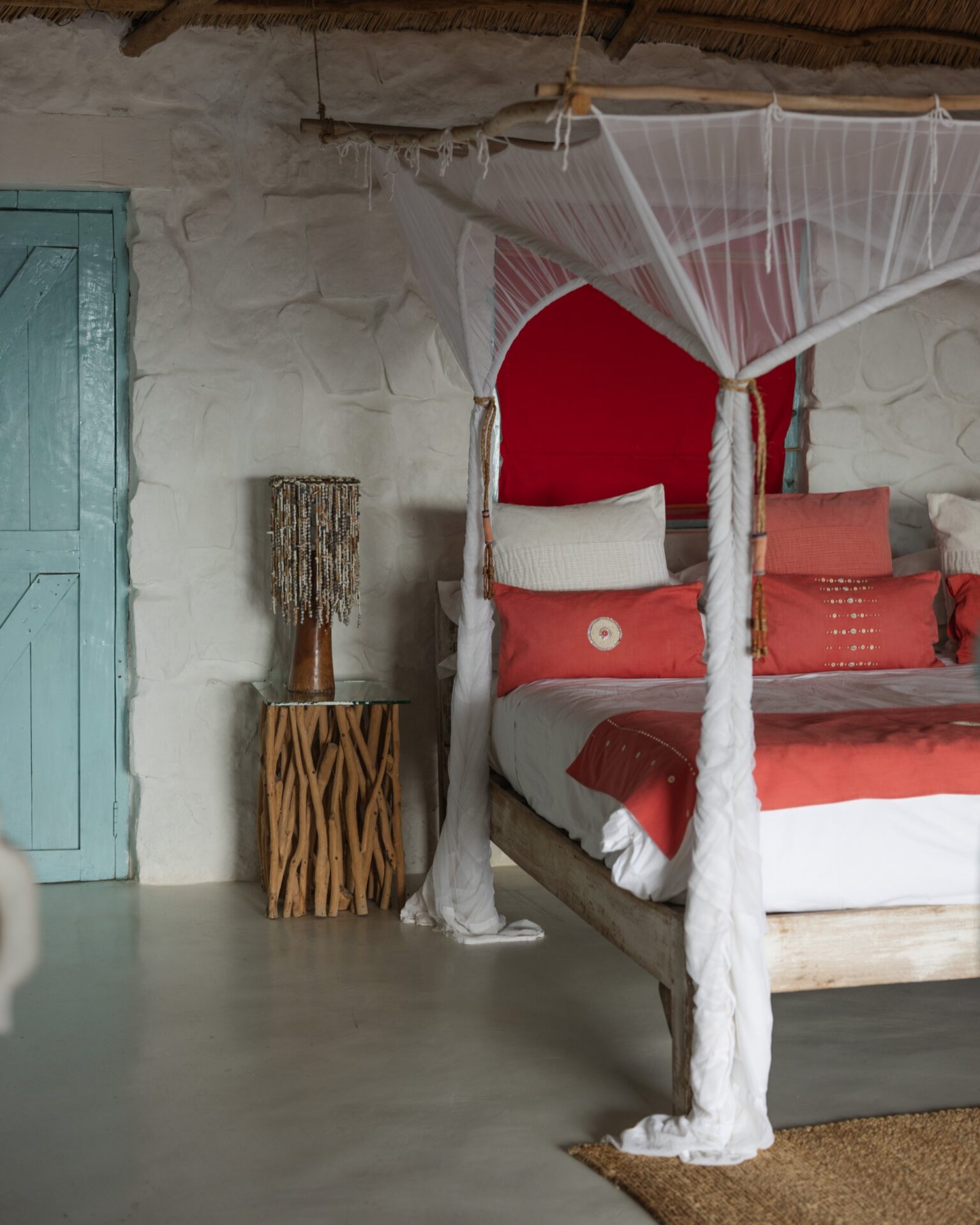
Tucked into a crescent bay on Likoma Island, Kaya Mawa is a place where rooms and houses nestle among granite boulders and shady trees, each one shaped around its view. There are just ten in total, from charming Standard Rooms to private retreats such as Mbamba and spacious Family Houses. Several come with private decks and plunge pools, and every one feels like your own little island hideaway.
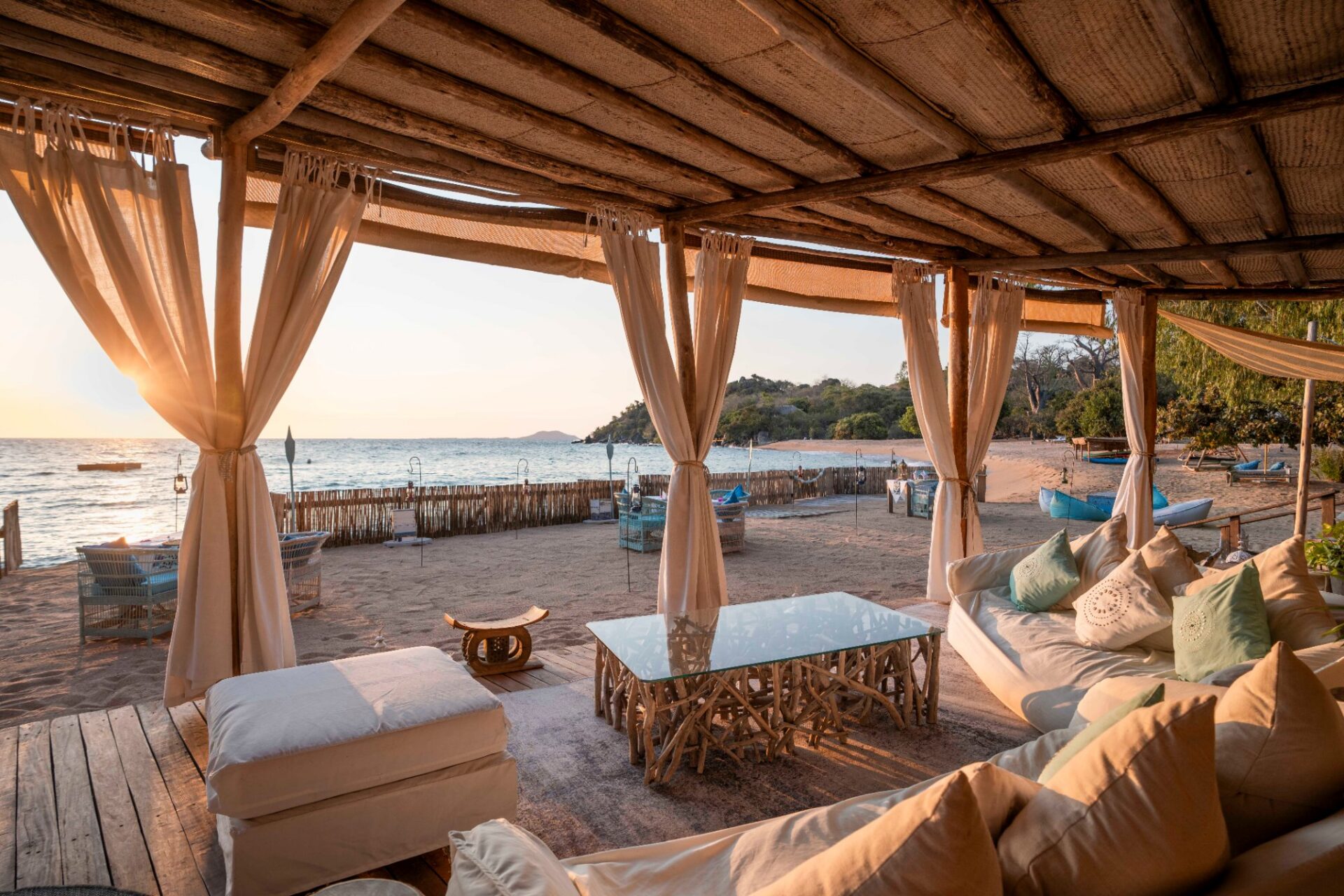
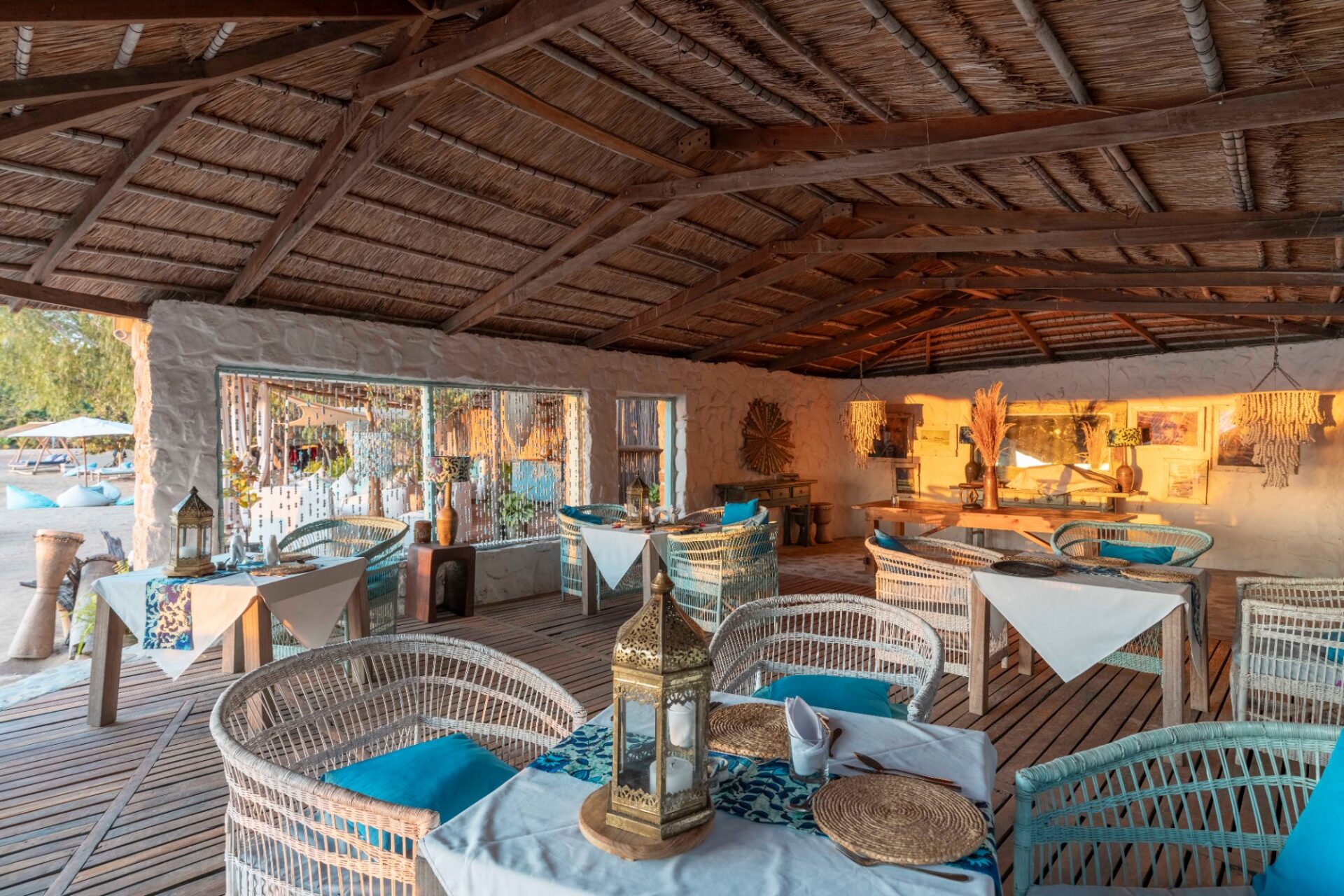
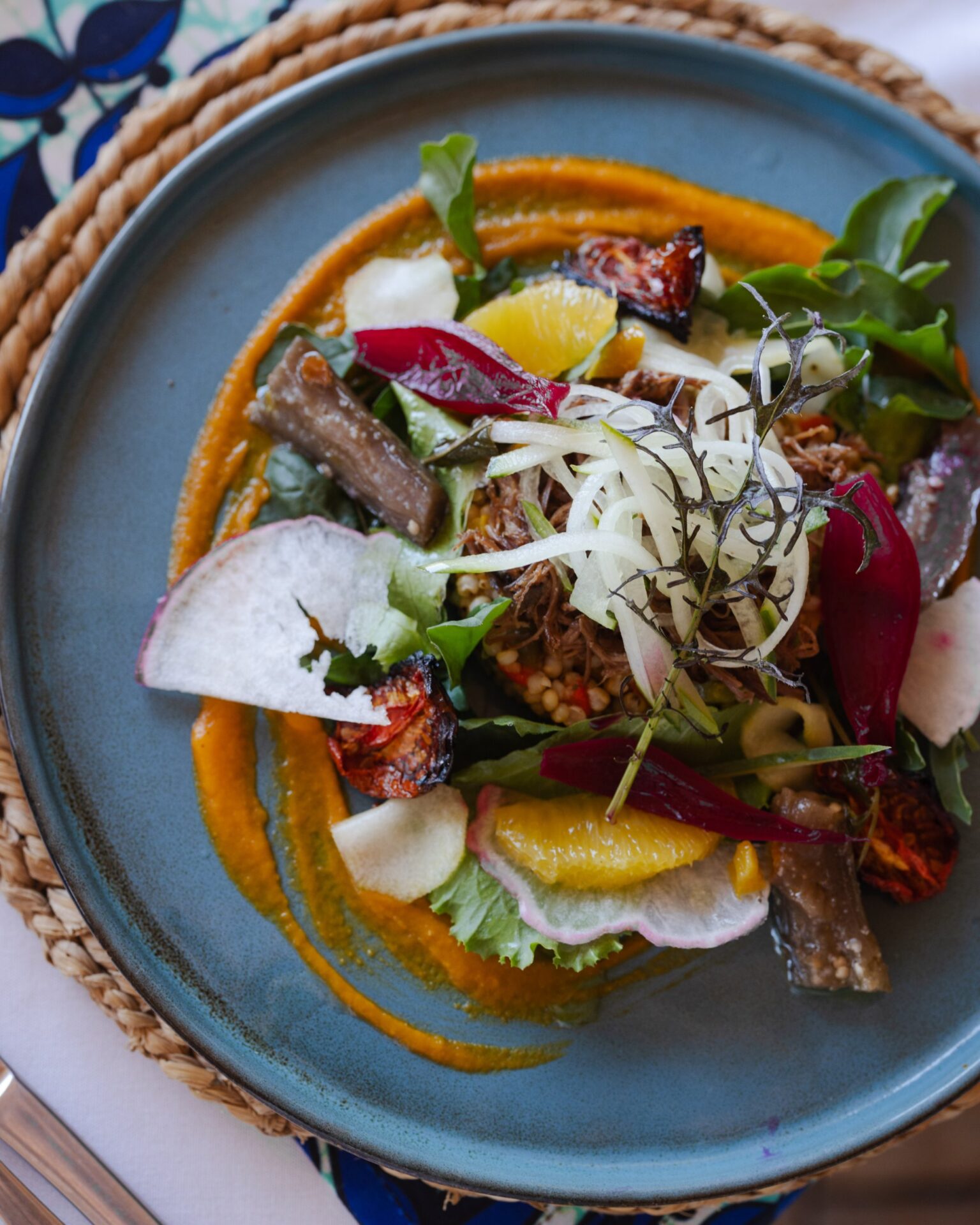
Kaya Mawa is also Malawi’s first resort run solely on renewable energy, so your long lazy days are powered by the very sun you are soaking up. Fresh produce comes from the community garden (join the chef for a tour if you are curious about chemical-free island farming), and evenings end with dinner by starlight.
Most importantly, Kaya Mawa is deeply rooted in the Likoma community, where the Green Safaris Conservation Foundation works year-round. Eleven tree nurseries help reforest the island, with 20,000 seedlings grown in 2025 alone. The Foundation also supports six nursery schools with caretakers, daily meals and learning materials. Not too far from the lodge itself, the Katundu Workshop gives local artisans a place to craft beautiful homeware, often from recycled materials. Much of this work reaches women and children directly, from the Clean Up Likoma campaign, which saw island children collect around 12,300 plastic bottles in 2025 and includes a plastic recycling initiative that generates income for women, to 60 mother and baby care kits given to new mothers. You can learn more about these projects on the Green Safaris Conservation Foundation website, or find out how to get involved.

Getting there is part of the adventure: Likoma is around an hour by light aircraft from Lilongwe, touching down on the island airstrip just minutes from the lodge. Prefer to arrive by water? The Likoma Express fast ferry runs from Nkhata Bay and Ngala Beach on the mainland, and drops Kaya Mawa guests right at the lodge.
Combining Lake Malawi with a Safari
Here is where things get rather exciting. Malawi’s lake life pairs beautifully with Zambia’s world-class safari country, giving you the dream combination of bush and beach in a single journey.
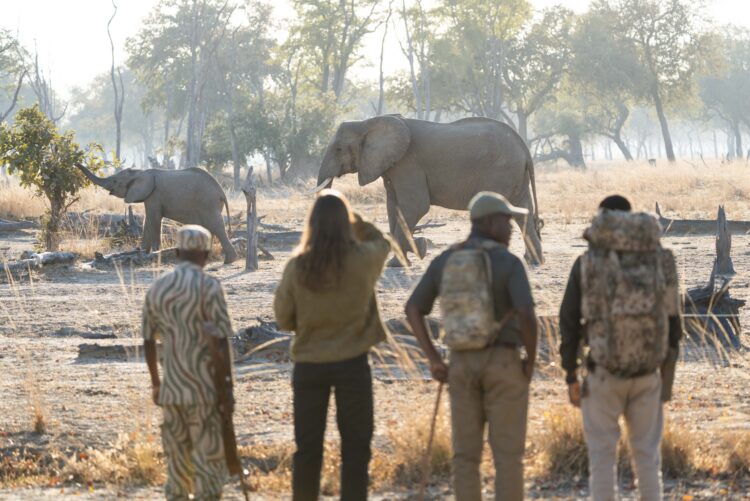
Start with the thrill of the bush at Shawa Luangwa Camp, a small, eco-friendly camp in the Nsefu Sector of South Luangwa National Park, where near-silent electric game drives and walking safaris bring you closer to leopards, elephants, and some 400 bird species. Or head into Kafue National Park, the largest and oldest in Zambia, at Ila Safari Lodge on the banks of the Kafue River.
Then trade dust for sand. After days of early starts and golden hour sightings, there is nothing quite like stepping off a plane onto Likoma, peeling off your safari boots and wading straight into the lake. The contrast is the point: adrenaline, then absolute calm.
For inspiration on how to plan the perfect pairing, read our guide to the ultimate African safari and beach holiday, or explore our Travel Planner.
Best Time to Visit Lake Malawi
The good news is that Lake Malawi is a joy for much of the year. The best time to visit is from April to December, when days are warm and dry. From May to October, rainfall is minimal, and the water reaches its clearest, with visibility often stretching beyond 20 metres, which is wonderful news for snorkellers and divers.
The later months, from September to November, bring hotter days and silky warm water, ideal for long swims and lazy afternoons in the shallows. The rains generally arrive towards the end of the year, painting the island green and bringing dramatic skies.
Pairing your stay with a safari? The dry months also happen to be peak game viewing season in Zambia, when animals gather around shrinking water sources. For a deeper dive into Likoma’s seasons, read our guide on when to visit Lake Malawi.
Discover Malawi’s Lake of Stars
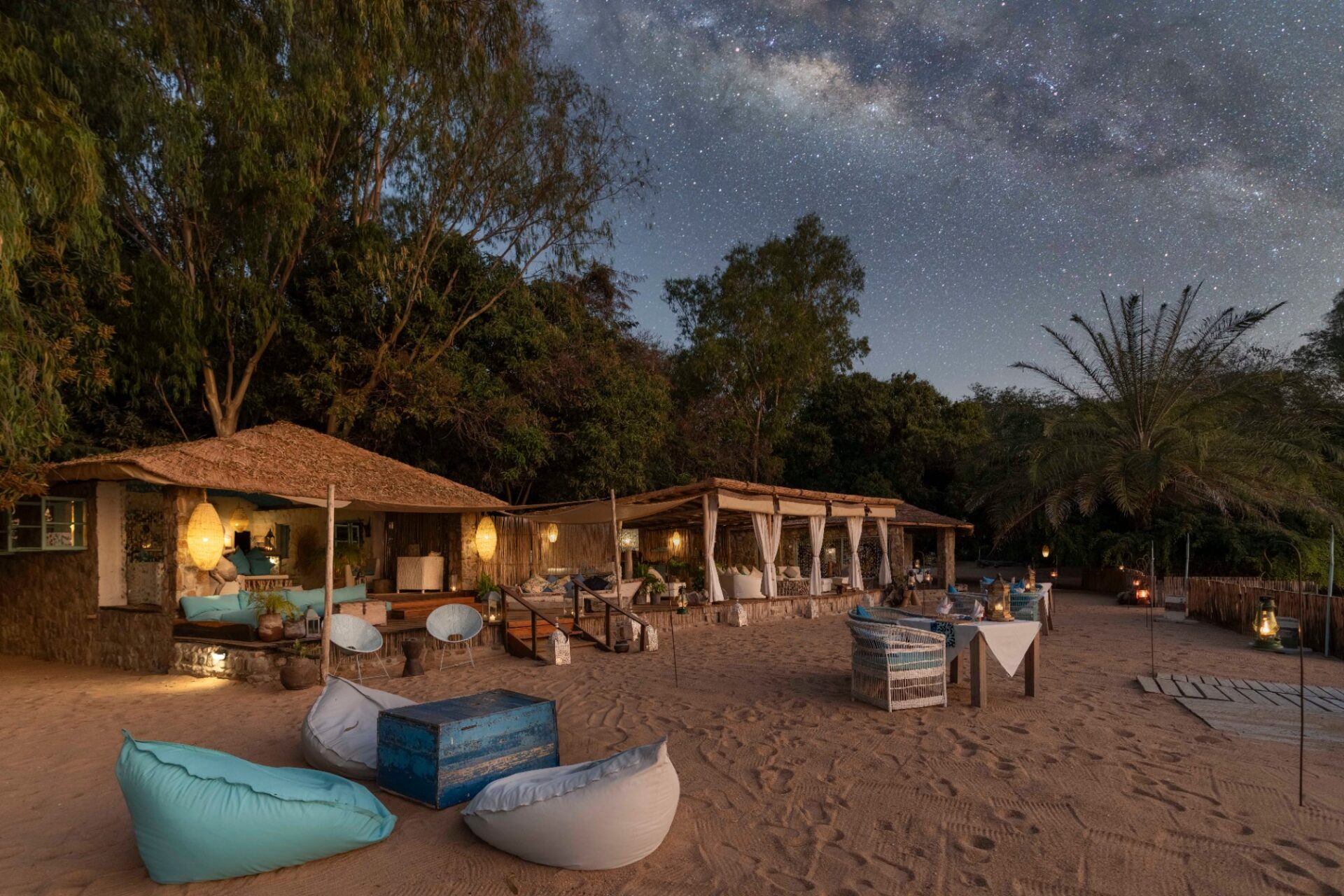
Lake Malawi is not the kind of place you stumble upon. It is the kind of place you hear about in hushed, slightly smug tones from a well-travelled friend, then spend years wishing you had gone sooner.
It offers the rarest kind of luxury: space to breathe, water to lose yourself in and a community that welcomes you like family. Add a safari in Zambia, and you have a journey that touches every sense, from the roar of the bush to the hush of an island evening.
So go on. Swap the familiar for the extraordinary. Your hammock on Likoma is waiting.
Ready to plan your Malawi lake holiday? Enquire with us here or explore Kaya Mawa.