The Women Quietly Shaping Safari in Tourism, Conservation Leadership, and the Future
Green Safaris | March 8, 2026
Safari has a reputation.
Khaki shirts. Wide-brimmed hats. Big personalities around a campfire.
For decades, the image of safari leadership has often been imagined as rugged, remote, and traditionally male.
Spend a little time behind the scenes at Green Safaris, and the picture begins to shift.
Many of the early-morning decisions that shape your stay at our camps in Zambia and Malawi are made by women. They are the ones guiding operations, supporting conservation programmes, mentoring teams, and building relationships with the communities around our lodges.
Often this work happens quietly, sometimes before the first coffee is poured and long before the first game drive leaves camp. Once you notice it, you start to see it everywhere.

Who Really Runs Safari?
Across Green Safaris’ operations in Zambia and Malawi, around 60 per cent of our management team are women.
They manage camps, lead operations, oversee conservation programmes, guide hospitality teams, and solve the kind of problems that do not politely wait for office hours.
Some grew up near the landscapes they now help protect, rivers they once fished as children, forests they know by season and scent. Others arrived through winding paths, drawn into sustainable tourism by curiosity, conservation, and the promise of a life lived a little closer to the wild.
However they arrived, they belong here. And safari is better for it. Each perspective adds depth, each journey adds strength, and together they are helping shape a more inclusive and thoughtful future for tourism.
As Lauren Summers, Marketing Director, explains: “Green Safaris is the kind of tourism operator every company should aspire to be.”
It is a mission rooted in protecting Africa’s natural landscapes while creating meaningful opportunities for the people who call them home.
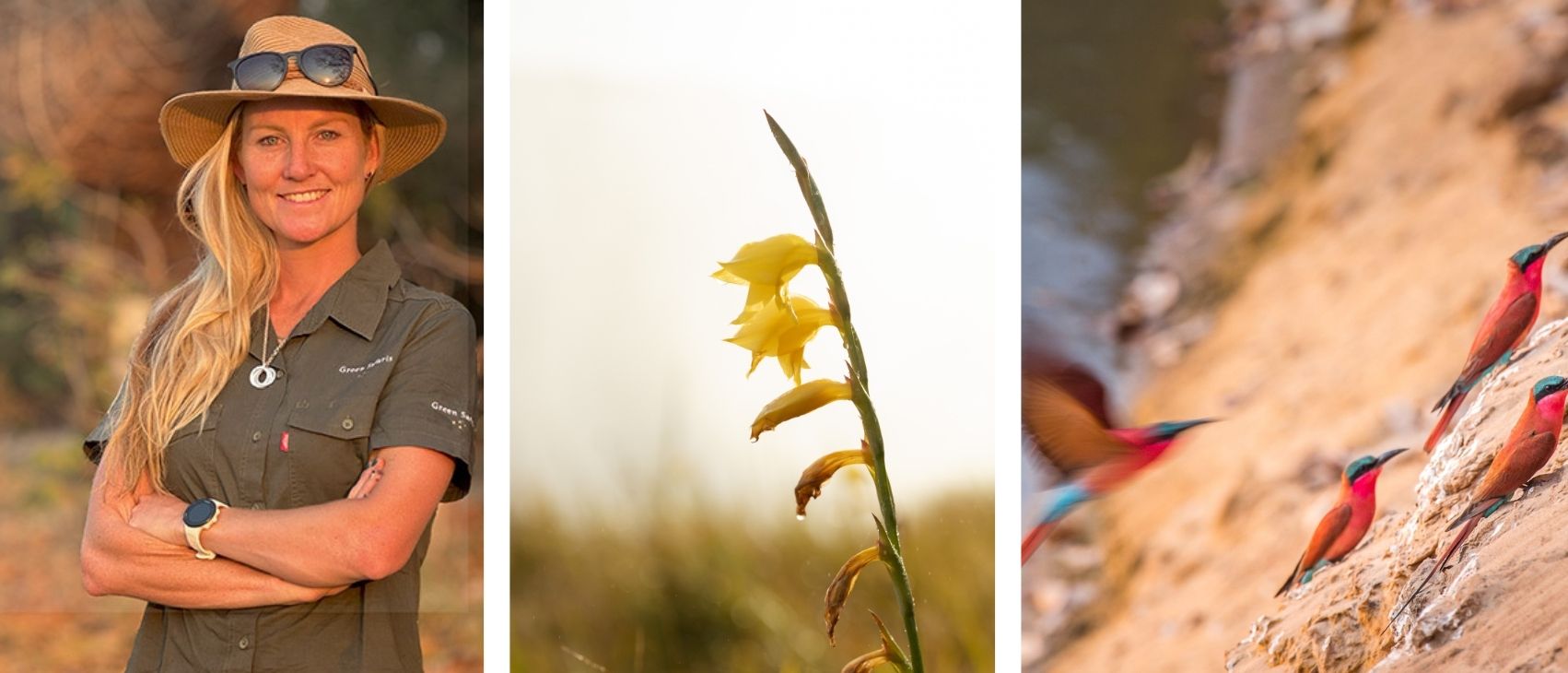
What Leadership Looks Like Out Here:
Leadership in the safari industry rarely looks the way people imagine. It is not loud.
It often looks like small moments of awareness that ripple through an entire camp.
Knowing when to move slowly through a wildlife area and when to act quickly. Remembering a returning guest’s favourite drink. Making decisions that balance wildlife protection, guest experience, and long-term sustainability. Holding a team steady when the river rises, or the generator decides to stop cooperating.
In remote safari destinations like the Lower Zambezi National Park, the Busanga Plains, or the islands of Lake Malawi, leadership requires something deeper than authority. It requires empathy.
For many of the women working in tourism, their connection to these landscapes runs deep.
As Chipasa Mwamba, Green Safaris’ Group Operations Manager, describes her journey into the industry:
“My background was in hospitality, but trust me, I hated hotels! Then came an unexpected offer to work in the bush…. From the moment I arrived, I fell in love with the quiet, the wilderness, and the way nature demands both respect and admiration.”
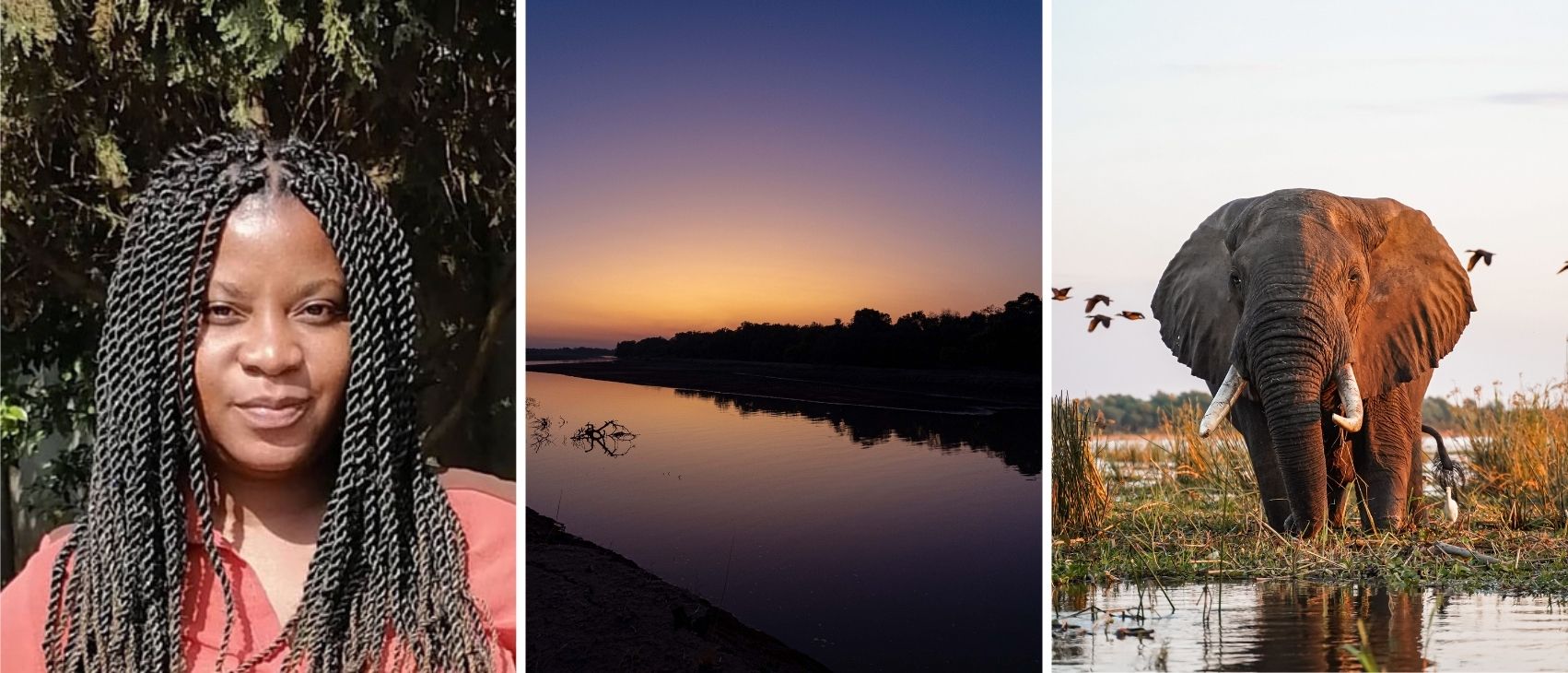
It is that sense of respect for nature that shapes how safari is led.
The Ripple Effect of Women in Tourism
When women lead in tourism, the impact travels far beyond the lodge.
It shapes how teams are mentored. It influences how young staff imagine their own futures. It strengthens how communities engage with conservation and tourism opportunities.
Across Africa, the number of women leaders in the safari industry continues to grow. Their leadership is helping shape tourism into something more inclusive and resilient.
For many, the tourism journey began long before they held leadership roles.
As Mildred Mumwensi, Senior Reservations Consultant, remembers from her childhood in Zambia: “We would sing and dance for the tourists, and I knew I wanted to be part of this world.”
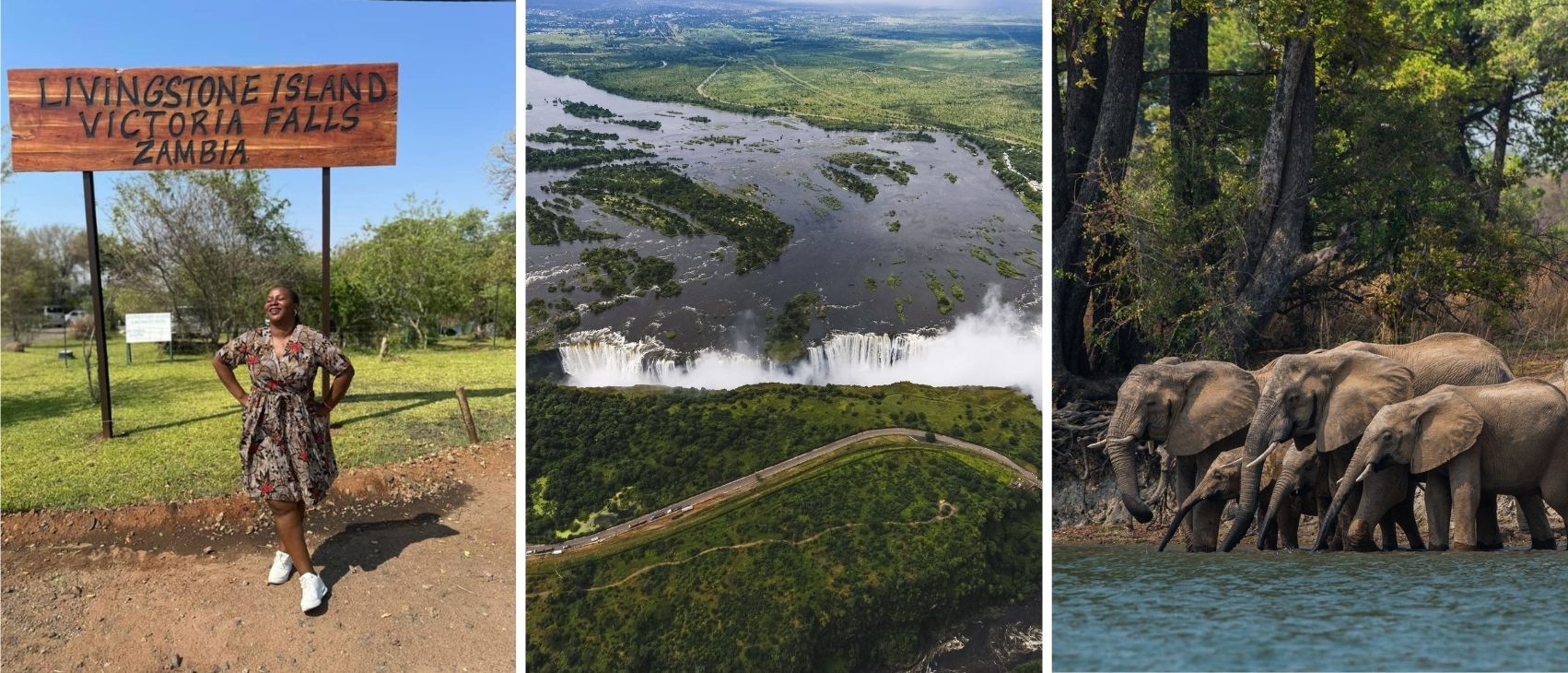
Today, she helps connect travellers from around the world with the landscapes and wildlife that first inspired her.
Representation is not simply a statistic. It is a signal that safari can be a place of opportunity for everyone who grows up near these extraordinary landscapes.
Opening the Door: The Women in Tourism Programme
That belief is one of the reasons Green Safaris is proud to support the Women in Tourism Programme, a collaboration with the African Bush Camps Foundation.
The programme offers a nine-month internship for young women aged 18 to 22 from Livingstone. It is designed to create real pathways into the safari and hospitality industries.
Participants gain hands-on experience across lodge operations, guest services, hospitality, and tourism management.
It is not an internship built around observation. It is built around participation.
Learning how a safari lodge runs. Understanding how tourism supports conservation. Building confidence in professional environments that once felt out of reach.
Preference is given to young women from disadvantaged backgrounds because, while talent exists everywhere in Africa’s tourism industry, opportunity is not always evenly distributed. Programmes like this help close that gap.
Where Conservation and Community Meet
At Green Safaris, conservation and community empowerment are closely connected.
Supporting women in tourism in Zambia does more than create individual opportunities. It strengthens the wider network of leadership that supports conservation.
Women working in tourism often become ambassadors for conservation in their communities. They bring new ideas, new perspectives, and a deeper sense of shared responsibility for protecting the landscapes around them.
Their stories are as varied as the paths that brought them here. One of them is Leah Banda, our Finance Director, whose journey into tourism and conservation started far from the bush.
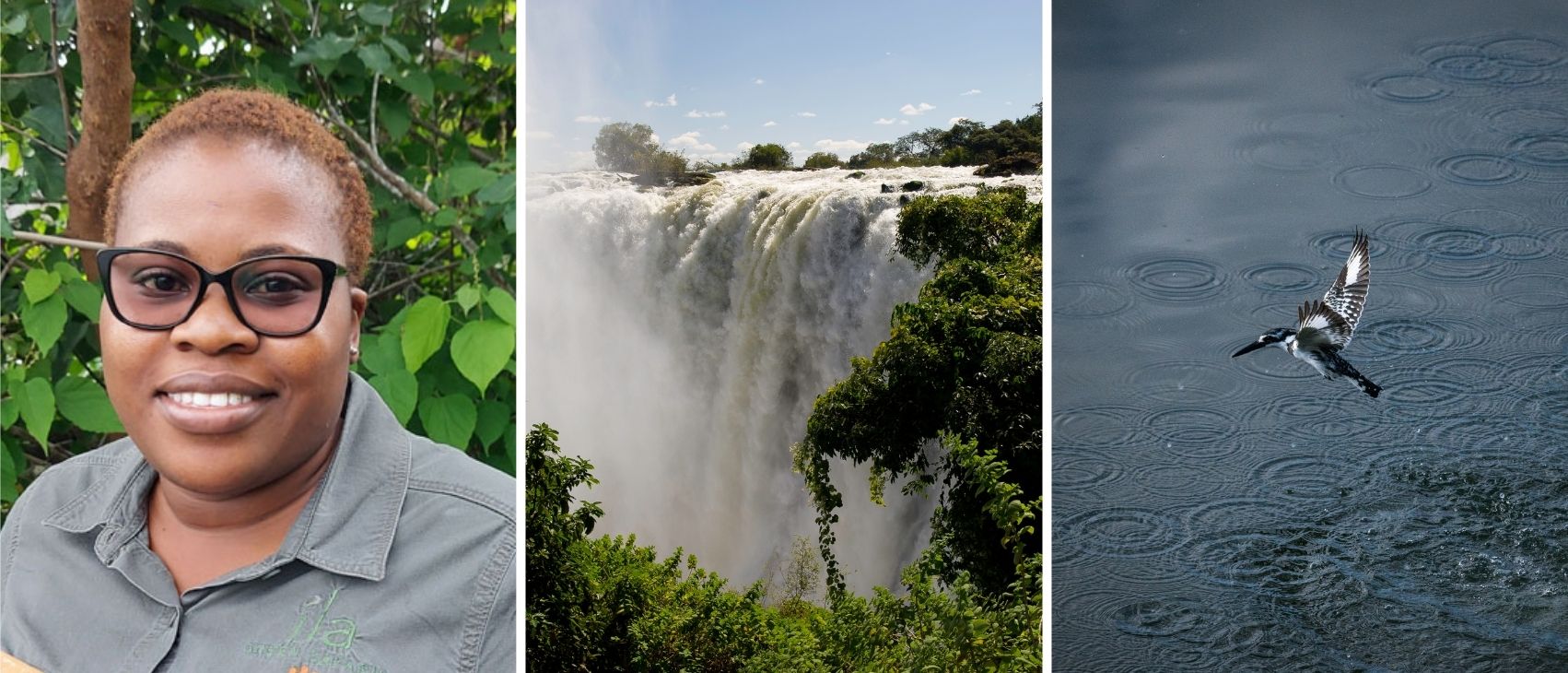
As Leah Banda, our Finance Director, walks us through her journey: “I have always been passionate about travelling and immersing myself in new places, cultures, and people. However, my career in banking felt restrictive and monotonous. Taking a leap of faith, I transitioned into the world of tourism and conservation with no prior experience, and it turned out to be one of the best decisions of my life.”
A young woman entering the tourism industry today might one day become a lodge manager, a conservation programme coordinator, or a sustainability leader helping shape the future of safari tourism across Africa.
The seeds of those futures are planted through opportunities like this one.
One Story, Many Futures.
Some of the women leading Green Safaris today once stood exactly where these interns stand now. Curious. Capable. Waiting for someone to say yes.
The journey from intern to leader is rarely straightforward. But it often begins in the same way.
With an opportunity. With someone opening a door. With the belief that the safari industry should reflect the talent and diversity of the communities that surround it.
This story is not about marking Women’s Day. It is about building a safari industry that reflects the future we want to see.
A New Picture of Safari Leadership.
Safari will always carry its iconic imagery. The wide horizons. The campfires. The sense of adventure.
But behind the scenes, the picture of leadership is evolving.
Across camps, conservation initiatives, and community partnerships, women are helping shape the future of sustainable safari tourism in Africa.
Some are already leading. Others are just beginning their journey.
Together, they are quietly reshaping what safari leadership looks like. And like most good things in the bush, it begins early in the morning.