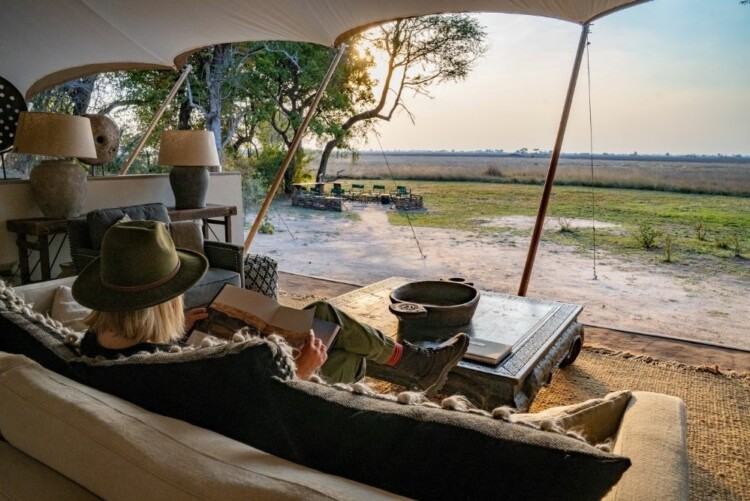
Why Zambia Is Africa’s Best-Kept Safari Secret (And Why Luxury Travellers Are Choosing It Over Botswana and Kenya)
Green Safaris | July 16, 2026
The Africa Most Travellers Never Discover
Picture the Maasai Mara at dawn. A leopard slips from the long grass, and within ninety seconds a dozen vehicles have converged, engines idling, camera shutters clattering like insects. This is the safari most people picture when they dream of Africa: thrilling, certainly, but rarely private, and never quite as wild as the brochures promise.
Now picture Zambia. The same leopard descends from a mahogany tree beside the Luangwa River, and the only witnesses are you and perhaps two or three others, all sharing the same held breath. There is no queue for this sighting. There is no radio call bringing in reinforcements. There is only the hush of the bush and the quiet sense that you have been let in on something the rest of the travelling world has yet to discover.
This is why an increasing number of high-net-worth travellers are quietly rerouting their African safari plans away from the well-trodden corridors of the Maasai Mara and the Okavango Delta and towards the wild, unpolished heart of Zambia. It is not a trend built on marketing. It is built on space, on silence, and on the rare privilege of watching Africa’s great theatre unfold without an audience. That, in the end, is the case for Zambia: proof that the best safari Africa has to offer is not always the most photographed one.
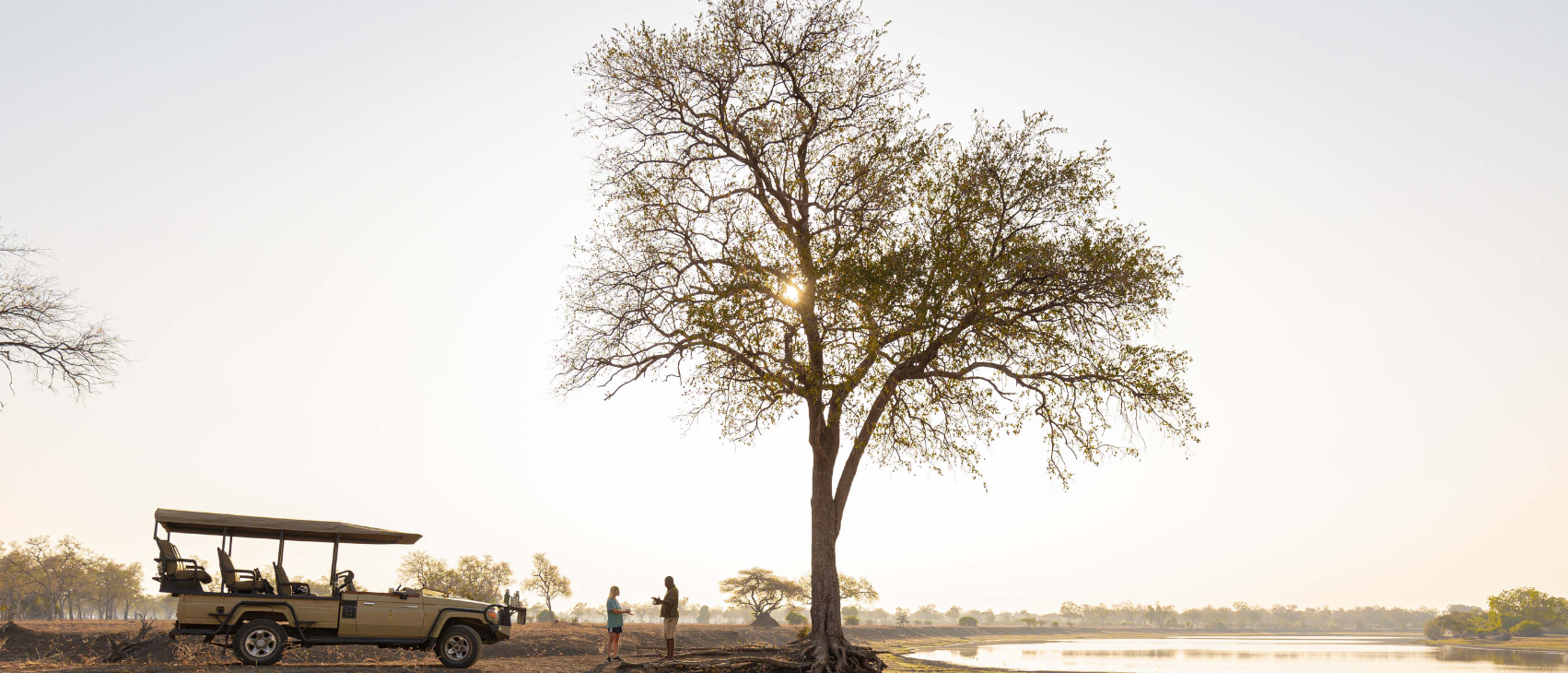
Why is Zambia Africa’s best-kept secret? Partly geography, partly good fortune, and partly quiet stubbornness. Zambia never chased mass tourism, never allowed its finest parks to be carved into competing concessions, and never let camp numbers creep past what the land could comfortably absorb. The result, entirely by design, is a country that feels less like a destination and more like a discovery: the luxury safari Africa hidden gem that those in the know have spent decades quietly protecting rather than shouting about.
Why choose Zambia for a luxury safari? Because Zambia offers what neither Kenya nor Botswana can promise at this level of exclusivity: vast, lightly visited wilderness, a pioneering walking safari tradition, and an intimacy between guest and guide that turns a holiday into something closer to a rite of passage. Ask any Green Safaris guide what sets this Zambia luxury safari apart from the others, and the answer is always the same: space, and the silence that comes with it.

Ready to discover this quieter side of Africa for yourself? Get in touch with our safari specialists to start planning your Zambia journey.
What Makes Zambia’s Safari Experience So Unique?
Zambia is one of Africa’s largest countries, yet it receives a fraction of the safari traffic of its southern and eastern neighbours. That imbalance is precisely its appeal to travellers who have grown weary of sharing a sundowner spot with fifteen other vehicles.
Exclusivity is not an accident here. Many of Zambia’s finest camps operate on a deliberately low-volume model, owner-led rather than chain-run, with traversing rights that are often exclusive to a single camp for miles in any direction. Green Safaris’ properties across Kafue National Park, Lower Zambezi National Park and South Luangwa National Park are built on this same philosophy: fewer beds, fewer vehicles, and a wilderness left genuinely wild. We have written at greater length about what makes this quiet corner of the map so special in The Best Safari Experiences: Zambia/Malawi, for anyone wanting the fuller story.
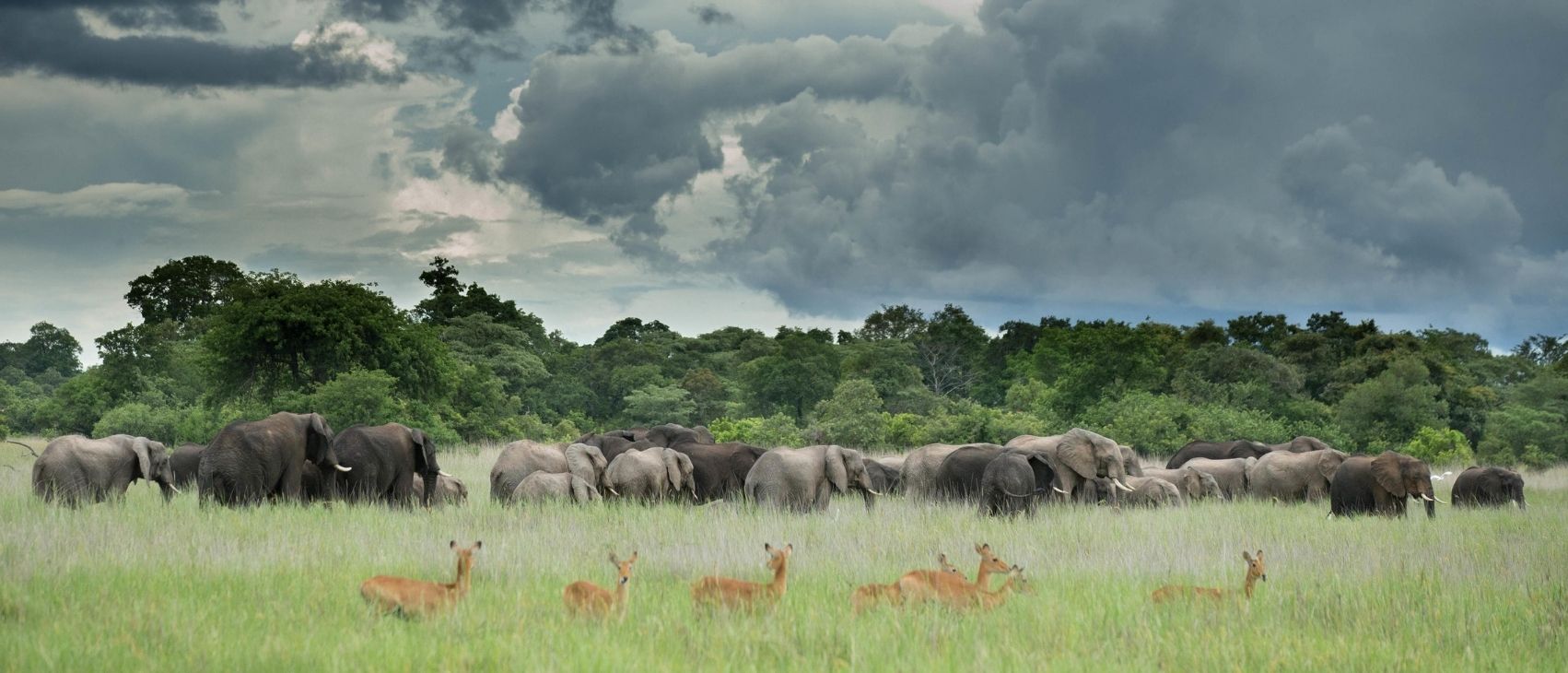
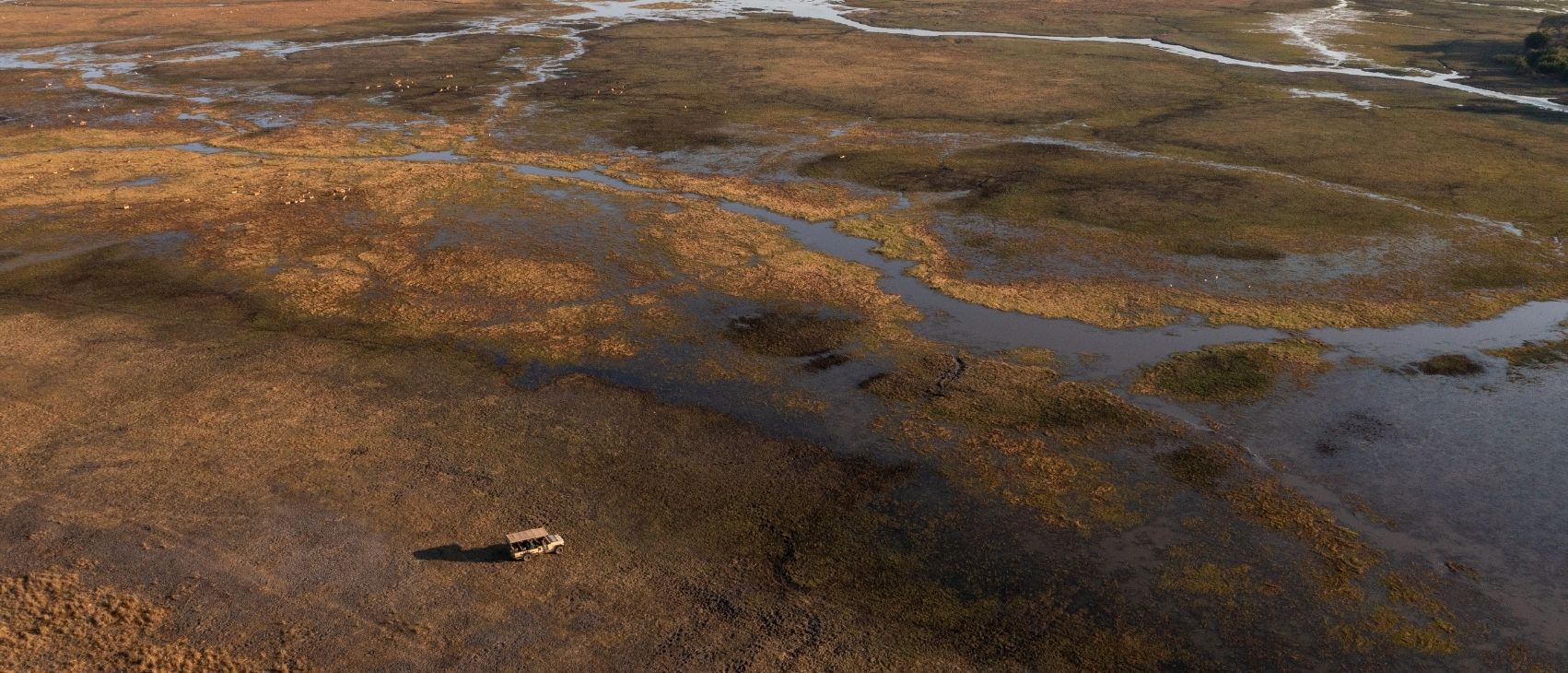
The scale and variety of that wilderness are remarkable. Kafue National Park, one of the largest protected areas on the continent, is a study in space, its Busanga Plains flooding and receding each year to create a lion-rich Eden with more prides than passing vehicles. Lower Zambezi National Park offers a river-based safari unlike almost anywhere else in Africa, with days spent gliding along channels by boat or canoe as often as tracking game on land. South Luangwa National Park, meanwhile, is the birthplace of the walking safari and remains one of the most reliable places on earth to encounter leopard at close range.
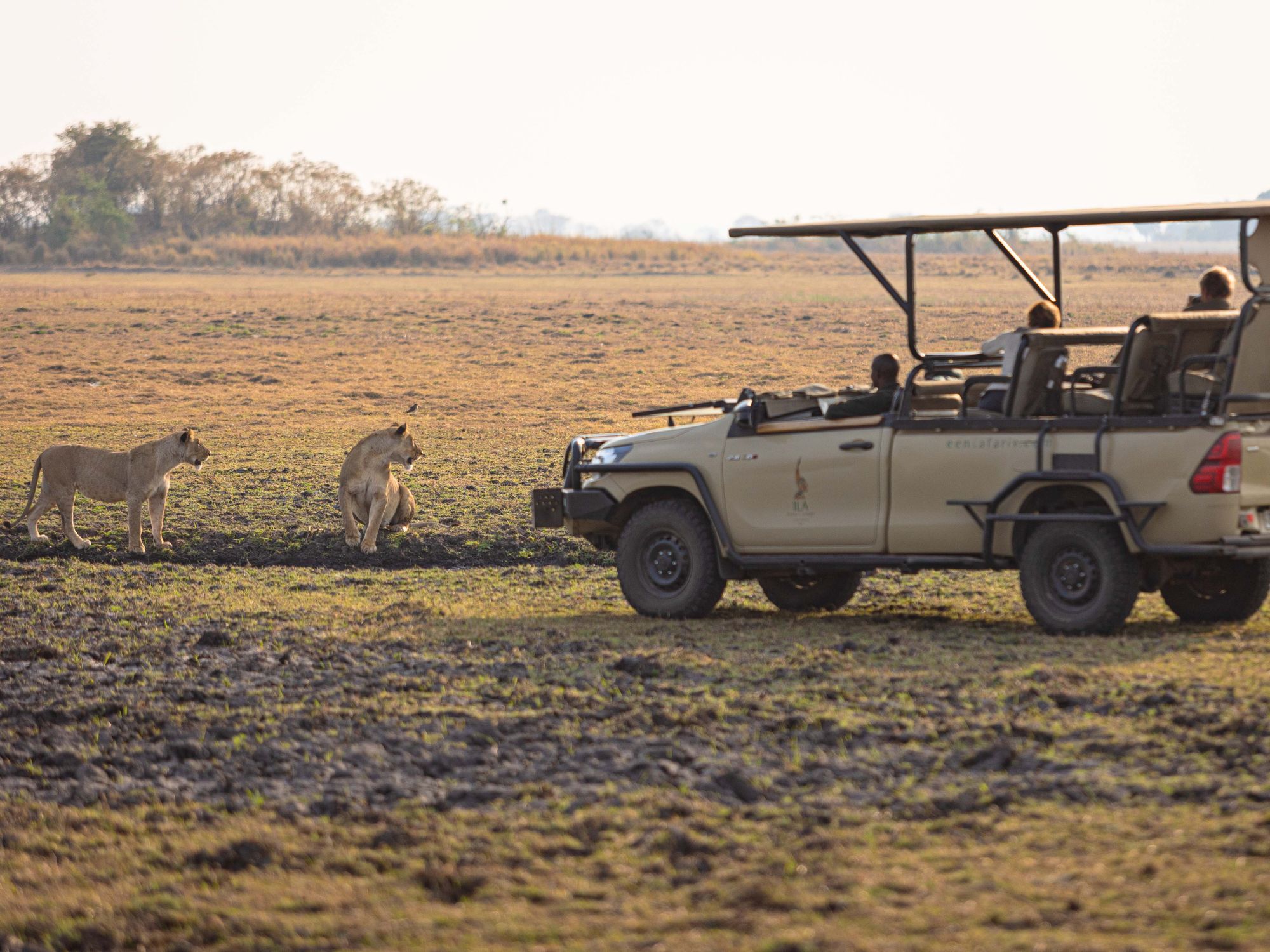
Because so few operators are permitted within these parks, sightings in Zambia feel unchoreographed. There is no jostling for position, no radio chatter directing every vehicle to the same spot. Guides often spend twenty unhurried minutes alone with a pride of lions before another vehicle appears, if one appears at all. It is safari as it was decades ago, before it became a spectator sport.
Zambia Safari vs Botswana – Is the Hype Worth It?
Botswana has long been the darling of the luxury safari world, and deservedly so. But as its reputation has grown, so too has its price tag and its guest numbers, prompting many seasoned travellers to ask whether the hype still matches the experience. It is the classic Zambia safari vs Botswana debate, and increasingly, Zambia is winning it quietly.
Price: Botswana’s concession-based model, while excellent for conservation funding, has pushed nightly rates in the Okavango Delta and Linyanti to among the highest on the continent. Zambia delivers a comparable, and often superior, level of privacy and service at a noticeably gentler price point, making a longer and richer itinerary possible for the same budget.
Crowds: Botswana’s popularity means its best-known camps, particularly around the Delta, can feel busier than the marketing suggests, especially in peak months. Zambia’s parks remain among the least visited in Southern Africa relative to their size, so the sense of having the bush entirely to yourself is rarely an illusion.
Wildlife diversity: Both destinations offer superb game viewing, but Zambia’s range of habitats, from the miombo woodland of Kafue to the riverine forest of the Luangwa, supports a broader diversity of species, including one of the greatest concentrations of antelope on the continent.
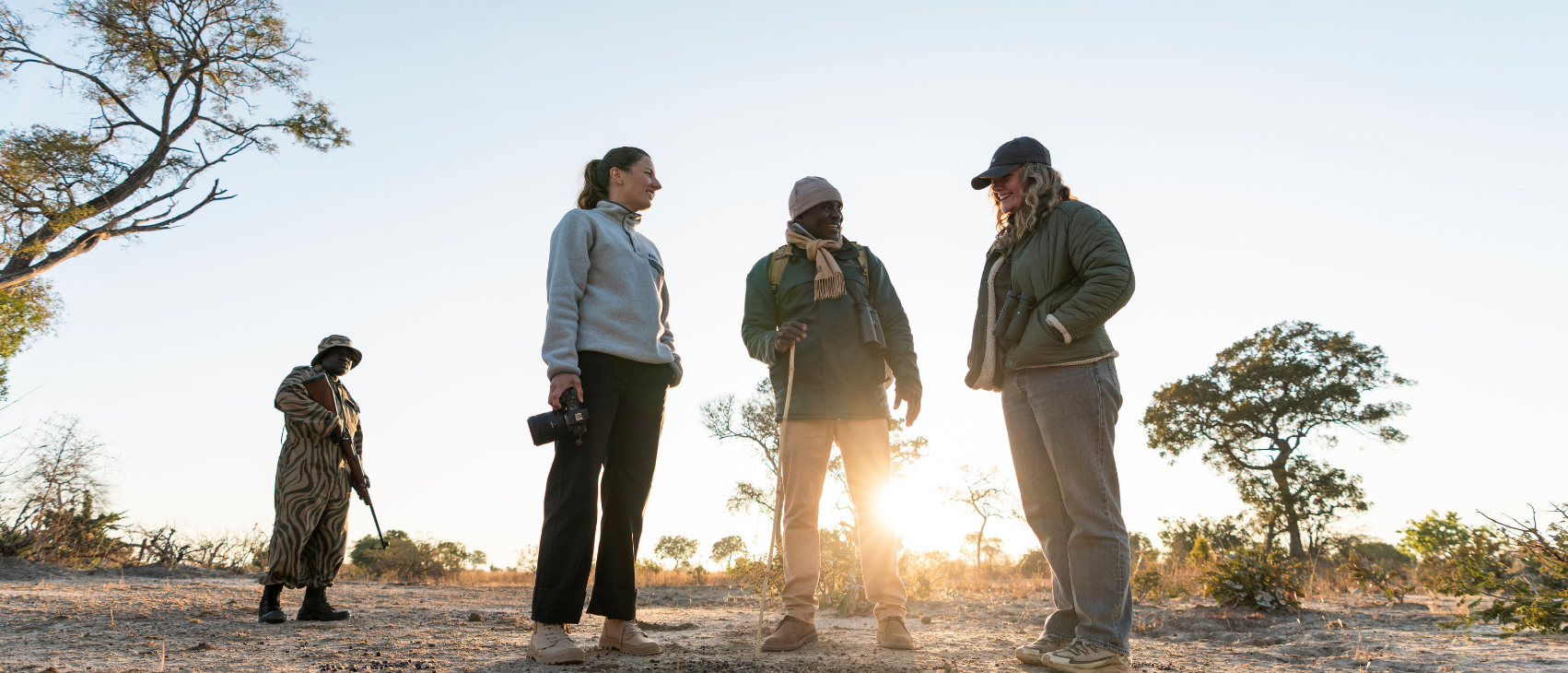
Walking safaris vs mokoro: This is perhaps the most defining difference between the two. Botswana’s Okavango Delta is built around water, and its mokoro and boat safaris are a gentle, unforgettable way to explore the floodplains. Zambia, however, invented the walking safari, and South Luangwa remains its spiritual home. There is no substitute for tracking game on foot, reading spoor in the sand, and understanding the bush at eye level rather than through a windscreen. For travellers who want to feel Africa rather than simply observe it, Zambia’s walking heritage is difficult to top.
How does a Zambia safari compare to Botswana? On price, Zambia is typically gentler without sacrificing quality. On crowds, its parks remain among the least visited in Southern Africa relative to their size. On wildlife, both destinations shine, though Zambia’s walking safari heritage gives it the edge for travellers who want to feel the bush rather than simply observe it from a vehicle.
Is a Zambia safari better than a Botswana safari? Better is subjective, but for travellers prioritising privacy, walking safaris and value, Zambia consistently delivers more for less compromise.
Weighing up Zambia against Botswana for your next safari? Speak to our specialists for a tailored comparison and current availability.
Zambia vs Kenya – Beyond the Wildebeest Migration
Kenya’s Maasai Mara is, without question, one of the most spectacular wildlife spectacles on earth, particularly during the wildebeest migration between July and October. But that spectacle comes at a cost: concentrated crowds, seasonal dependency, and a safari experience increasingly defined by convoys of vehicles rather than solitude.
Year-round vs seasonal appeal: Kenya’s marquee event is a single, short window, and outside migration season, the Mara’s drawcard diminishes considerably. Zambia’s safari calendar, by contrast, rewards visitors across a much longer dry season, from May to October, with consistently exceptional game viewing that does not depend on one migratory event.
Big cat populations: Both countries offer superb predator viewing, but South Luangwa’s leopard density rivals that of anywhere in Africa, and its lion and, increasingly, its African wild dog populations are thriving under careful conservation management.
The walking safari difference: Kenya’s safaris are almost exclusively vehicle-based. Zambia’s are not. The freedom to step out of the vehicle, under the guidance of a highly trained scout and professional guide, and encounter the bush on foot changes the entire rhythm of a safari, from a passive viewing experience into an active, sensory one.
Is Zambia better than Kenya for a safari? For travellers who have already ticked off the migration and are searching for something more intimate, more textured and less crowded, Zambia offers a compelling next chapter in their African story.
Considering Zambia over Kenya for your next trip? Contact our team to check availability for a walking safari experience.
Where to Stay in Zambia’s Most Exclusive Wilderness
Zambia’s finest camps are, almost without exception, small, owner-led and deeply attuned to their surroundings. Green Safaris’ portfolio threads together five of the country’s most storied properties, each offering its own interpretation of barefoot luxury.
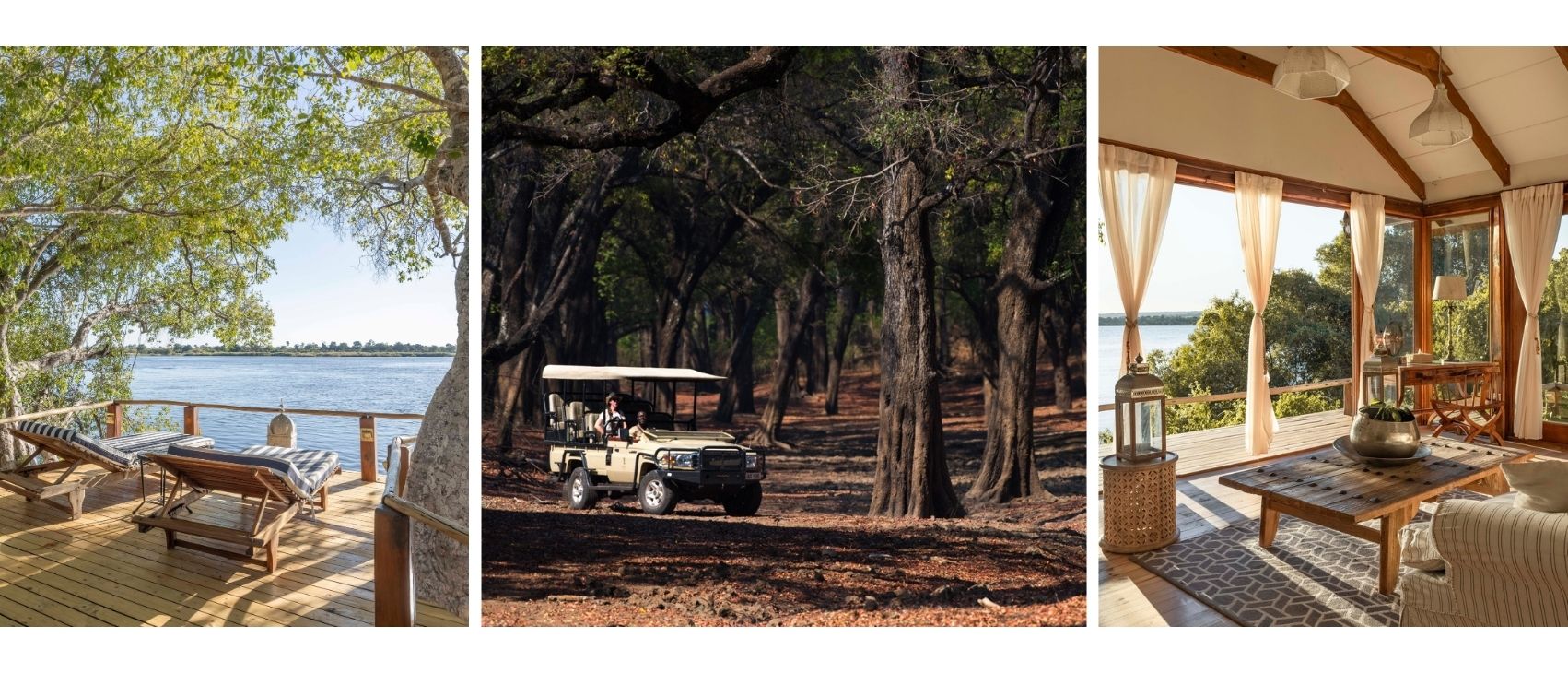
On the tranquil banks of the Zambezi River above Victoria Falls, Tongabezi has spent three decades perfecting quiet romance, its Houses and Cottages considered among the most characterful in Africa. A short boat ride upstream, the five-chalet Sindabezi Island offers an even more private, entirely off-grid escape, where the only neighbours are the resident hippos.
Deep within the Lower Zambezi National Park, Sausage Tree Camp remains one of the few camps on the continent to guarantee private guiding for every guest, its tented suites each with a private plunge pool overlooking the river. Nearby, Potato Bush Camp offers a similarly exclusive experience at a gentler price point, making it a firm favourite for multi-generational family safaris.
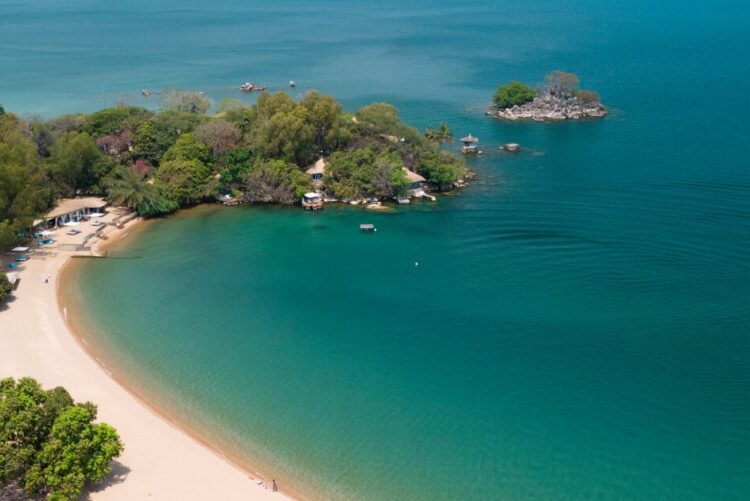
For those chasing solitude beyond Zambia’s borders, Kaya Mawa on Likoma Island in Lake Malawi provides the perfect coastal counterpoint to a bush safari: a boutique beach retreat built into the rocks and sand of one of Africa’s most idyllic lakes.
Every property forms part of Green Safaris’ wider Green Promise, a commitment to sustainability, conservation and community development that runs through each stay, meaning the exclusivity travellers pay for is matched by a genuine, positive impact on the places and people that make it possible.

Ready to choose your camp? Enquire about availability across Green Safaris’ properties in Kafue, Lower Zambezi, South Luangwa and Lake Malawi.
When to Visit Zambia for a Luxury Safari
Zambia rewards visitors across two distinct seasons, each with its own character.
Dry season (May to October): This is Zambia’s classic safari window, when the bush thins out, and animals congregate around rivers and waterholes, making game viewing exceptionally reliable. July through September bring the coolest, most comfortable conditions for walking safaris, while the intense heat of October delivers the very best predator action as wildlife concentrates around the last remaining water sources.
Green season (November to April): Often overlooked by first-time visitors, this season transforms the landscape into a lush, dramatic wilderness alive with newborn animals, migratory birds in full breeding plumage, and skies that build into spectacular afternoon storms. This is also the quietest time to visit, with camps at their most private and rates often more accessible, making it a favourite among returning guests and photographers chasing dramatic light. A few persistent myths still keep first-timers away from this season, and we have taken them apart, one by one, in Myth-Busting Green Season Safaris in South Luangwa.
Whichever season a traveller chooses, Zambia’s relatively low visitor numbers mean the experience rarely feels compromised by crowds, a rare quality in modern luxury travel.
Not sure which season suits you best? Get in touch, and our safari specialists will help you choose the perfect time to travel.
The Secret Is Yours to Keep
Zambia does not compete with Botswana or Kenya by trying to be louder, bigger or more famous. It competes by offering something increasingly rare in luxury travel: genuine space, unhurried encounters, and a wilderness that has not yet been shaped around the expectations of mass tourism.
For the discerning traveller who has already experienced the marquee safari destinations and is searching for something quieter, wilder and more personal, Zambia is not a compromise. It is the upgrade. And, as we explore in Why Zambia? Ethical Travel is Unforgettable; it is an upgrade that quietly gives back to the people and landscapes that make it possible in the first place.
If you are ready to discover why so many seasoned safari-goers now consider Zambia their favourite-kept secret, our team would love to help you build a tailor-made journey across South Luangwa, the Lower Zambezi, Kafue and beyond. Enquire with Green Safaris today to begin planning your private Zambian safari.